Minimally invasive paediatric surgery encompasses specialized operative techniques performed through small incisions utilizing high-definition telescopic visualization and specialized instrumentation. The primary objective is to achieve equivalent or superior clinical outcomes compared to traditional open procedures while significantly minimizing surgical trauma, tissue disruption, and physiological stress on the developing paediatric body.
Clinical Benefits of Minimally Invasive Paediatric Surgery
Performed by an experienced paediatric surgeon, minimally invasive approaches are designed to reduce physiological trauma and preserve anatomical integrity in growing infants and children.
Key Clinical Advantages Include:
- Reduced Postoperative Discomfort: Minimized surgical trauma generally decreases postoperative pain and lowers requirements for analgesic medications.
- Preservation of Anatomical Structures: Reduced incision size limits muscle dissection, chest wall deformity risks, and secondary scarring associated with conventional open access.
- Improved Cosmetic Outcomes: Significantly smaller incisions result in minimal scarring and reduced long-term visible evidence of surgery.
- Lower Risk of Wound Complications: Smaller port sites reduce the incidence of superficial surgical site infections and incisional morbidity.
- Enhanced Visualization: High-resolution optical systems and magnification provide superior visualization of deep anatomical structures, nerves, and vessels.
- Accelerated Functional Recovery: Quicker return of gastrointestinal motility, reduced hospital stays, and earlier resumption of normal age-appropriate activities.

Common Minimally Invasive Paediatric Procedures
- Laparoscopic Appendectomy: Minimally invasive excision of an inflamed appendix for acute appendicitis.
- Laparoscopic Pyloromyotomy: Precision surgical division of the hypertrophied pyloric muscle for infantile hypertrophic pyloric stenosis.
- Gastrostomy Tube Placement: Minimally invasive or percutaneous placement for enteral nutritional support when indicated.
- Intussusception Reduction: Laparoscopic or combined management of complex intestinal intussusception when non-operative reduction is unsuccessful.
- Splenectomy: Partial or total resection of the spleen for hematologic or structural pathologies.
- Cholecystectomy: Minimally invasive gallbladder resection for symptomatic cholelithiasis or biliary disorders.
- Inguinal Hernia and Hydrocele Repair: Laparoscopic or minimally invasive internal ring closure.
- Diagnostic Liver Biopsy: Targeted tissue acquisition for hepatic parenchymal evaluation.
- Minimally Invasive Urologic Procedures: Specialized laparoscopy for conditions such as varicoceles, non-palpable testes, and pelviureteric junction obstruction.
- Minimally Invasive Ovarian Interventions: Management of ovarian cysts, torsion, or structural anomalies.
- Colectomy and Ileocolectomy: Segmental or total colonic resection for congenital or inflammatory bowel pathologies.
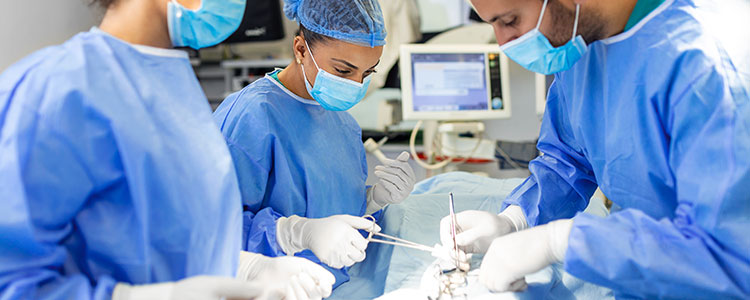
Practicing in Siliguri, Dr. Manish Madhav integrates advanced minimally invasive techniques tailored specifically to neonatal and paediatric anatomy, ensuring rigorous adherence to evidence-based surgical protocols and patient safety.

Dr. Manish Madhav
MS (GENERAL SURGERY), MCH(PAEDIATRIC SURGERY)
Senior Consultant Paediatric / Neonatal Surgeon & Paediatric Urologist
Registration No. 77583 - West Bengal Medical Council (Active)