



In a few cases, there is only one solution: surgery. And the reason for pediatric surgery is the same. Parents getting worried about what will happen after a procedure, no matter how big or minor, is natural. The pediatric surgery consultation is one of the earliest and most crucial steps.
You can feel more relaxed and less tense about your child's care if you know what to expect from this consultation with the top child surgeon in Siliguri or near you. Parents and doctors will review the child's condition, learn about available treatments, and get ready for any necessary surgery during a pediatric surgery consultation.
Insights into Pediatric Surgery Consultation
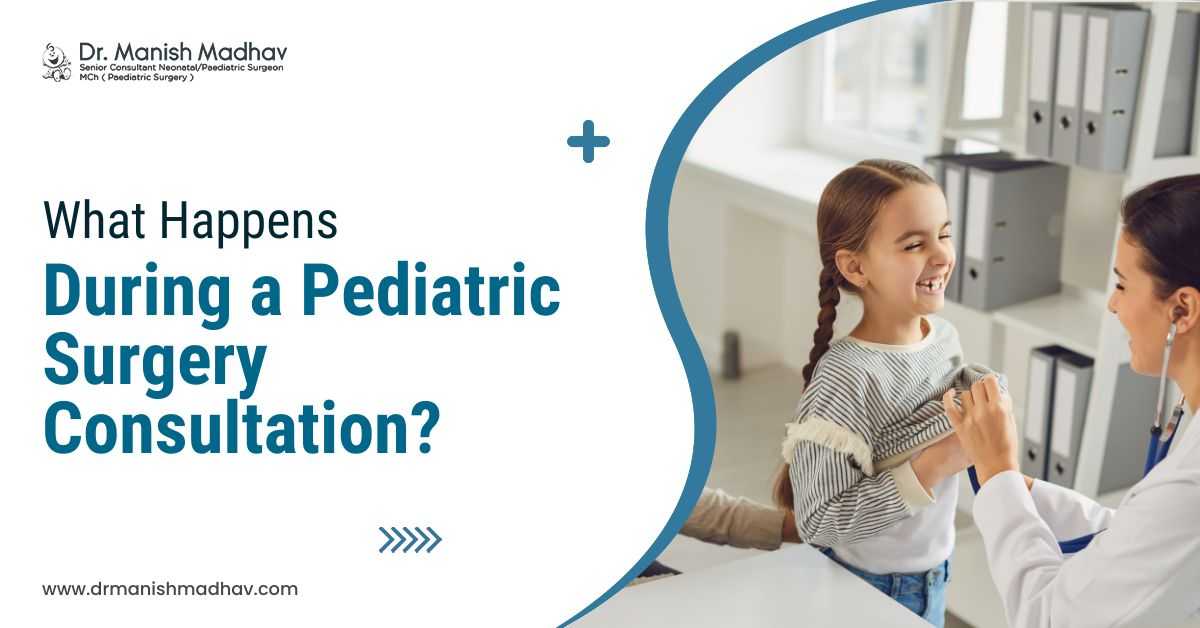
Simply put, an appointment between a pediatric surgeon, the child, and their parents or caretakers is known as a pediatric surgery consultation. The surgeon assesses the child's health during this consultation and decides if surgery is the best treatment option.
The consultation accomplishes several goals, such as:
- Examining the child's medical records
- Conducting a physical assessment
- Speaking about the diagnosis
- Outlining possible surgical techniques
- Considering the advantages and risks
- Responding to your questions and worries and simplifying
- Creating a treatment strategy based on the child's requirements
Know What Makes a Pediatric Surgery Consultation So Vital
Kids needs specific set of medical support. Here, these surgeons have expertise in surgical conditions that operate on newborns, children, & adolescents.
A pediatric consultation makes sure:
- The diagnosis is carefully assessed
- It is really vital to get surgery
- Options for alternative treatments are taken into consideration
- Every detail of the suggested process is understood by the parents
- Based on their age and health, the child receives individualized treatment
Plus, this pediatric appointment gives families a chance to develop confidence with the surgical team.
Examining the Medical History of Your Child
A detailed examination of your child's medical history is of great value. And your pediatric surgeon might inquire about a few things like:
- Symptoms as of right now and when they started
- Prior hospital stays or illnesses
- Previous operations or surgeries
- Current health issues
- Food or medication allergies
- Present-day drugs and supplements
- Medical conditions in the family history
- Records of immunizations
This gives the pediatric surgeon precise information and makes it easier for them to understand your child's general health. Also, it helps see any potential risks to surgery or recovery.
Your Child's Physical Examination
The pediatric surgeon will do a physical examination after going over the medical history, another vital part of pediatric healthcare diagnosis.
The evaluation of the particular condition necessitating surgical assessment is the main goal of the examination. Depending on the problem, the surgeon might look at:
- The stomach
- Lumps or hernias
- Skin anomalies
- The region of the chest
- The digestive system
- Congenital disorders
- Musculoskeletal issues
This examination helps surgeons rule out and assess the severity of your kid’s condition.

Examining the Diagnosis
After the primary evaluation is over, your pediatric surgeon uses easy language to communicate the diagnosis. Now, you can expect to learn about the following throughout this conversation:
- What disease does your child have?
- How their health condition will affect their general health
- Could the problem get worse over time?
- The rationale for the recommendation for surgery
- Possible issues if treatment is not received
Before you proceed, your pediatric surgeon should make sure you fully understand the diagnosis and encourage you to ask questions.
Understanding the Advised Surgical Procedure
If surgery is essential for your kid, the surgeon will thoroughly describe the recommended surgery so that you understand the importance and further aspects. This conversation often addresses:
The Reason for Surgery
Parents will be informed about how the procedure helps their child's well-being, alleviate symptoms, or prevent future/ more issues.
How the Process Is Carried Out
The pediatric surgeon may explain if the procedure is:
- Open surgery
- Surgery with minimal invasiveness
- Laparoscopic procedures
- When necessary, robotically assisted surgery
Having awareness of the surgical approach is vital to better preparation.
Duration of Surgery
In simple words, this is an estimate of the procedure's duration. This includes the time needed for preparation and post-operative recuperation and is typically given by the surgeon.
Talking About Benefits and Risks
We have to understand that there are possible risks and advantages to every surgical treatment. An open discussion about both is part of a pediatric surgical consultation you are preparing for.
Possible Health Advantages
Advantages could include:
- Alleviation of discomfort or pain
- Enhanced organ performance
- Preventing health issues in the future
- A higher standard of living
- Correction of birth defects
Potential Risks
Potential dangers could include:
- Infection & mild bleeding
- Anesthesia-related reactions
- Postponed recovery
- Uncommon surgical issues unique to the process
Your pediatric surgeon describes the safety precautions in place to keep your child safe as well as how these risks can be reduced.
If you are unsure about something, please feel free to discuss it with your surgeon for proper insights.
Examining Imaging Results & Diagnostic Tests
During the consultation, the pediatric surgeon may review the results of earlier tests, and these examinations may include:
- Blood examinations
- X-rays and ultrasounds
- CT scans
- MRIs
- Endoscopic assessments
To decide on the safest course of therapy, more testing may be of importance. These findings give doctors a better understanding of your child's condition and aid in decision-making.
Getting to Know the Anesthesia Team
You might also be given information regarding pediatric anesthesia before the treatment begins, depending on the medical facility. There’s no doubt that we all want our kids safety and comfort throughout surgery. Here is the anesthesiology team's area of expertise.
Often, mentioned subjects include:
- The kind of anesthesia that your child will be given
- How anesthetic is given
- Guidelines for fasting before surgery
- Safety precautions throughout the process
- Observation during the procedure
- Possible adverse effects, including nausea or sleepiness
Preparing for Surgery
The appointment will include preparation instructions as well if pediatric surgery is planned. Here, you might get advice regarding:
- Limitations on Eating and Drinking
Before surgery, doctors provide parents with precise instructions regarding when the kid should stop eating or drinking. Anaesthesia safety needs to follow these recommendations.
Medication Instructions
Before surgery, the surgeon may recommend that some meds be continued, modified/ changed, or temporarily discontinued.
Health Issues Before Pediatric Surgery
If a kid shows any of the following, parents should let the medical staff know:
- Cough and fever
- Symptoms of a cold: vomiting
- Additional symptoms before the planned surgery
In order to ensure safety, surgery may occasionally need to be postponed.
Insights into Postoperative Care and Recovery - Overview
Well, parents should talk about recovery expectations, as it’s a crucial aspect of the consultation.
The pediatric surgeon will clarify:
- First, how long your child might stay at the hospital
- Pain management choices and anticipated pain levels in the kid
- Limitations on activities following surgery
- Instructions for wound treatment/ care
- Symptoms to be aware of
- Schedules for follow-up appointments
- Possible timeframe for going back to regular activities and school
This way, you can better prepare both practically and emotionally since you have a firm understanding of the recovery process.
What Happens After the Pediatric Consultation
Now, one of the following could happen at the conclusion of the consultation; have a quick read:
- Surgery could be planned.
- It's possible to arrange more testing.
- Doctors might suggest alternative treatments.
- Appointments for observation & follow-up may be recommended.
After the visit, you should have a clear idea of what to do next, but if you still have concerns or confusion, feel free to ask again.
Final Words
It’s really hard for parents to learn that their child needs surgery. A consultation plays a crucial role in understanding what your kid needs for better health. Here, you have the chance to learn about your child's health, consider treatment alternatives, and gain confidence in the care plan.
Even though the idea of surgery feels overwhelming, pediatric surgery is invaluable in many cases. Yes, you should actively engage in decision-making and discuss the outcomes and any questions you have regarding the procedure.
Speak with the top pediatric surgeon in Siliguri, Dr. Manish Madhav, for optimal treatment, recovery, and management.

