

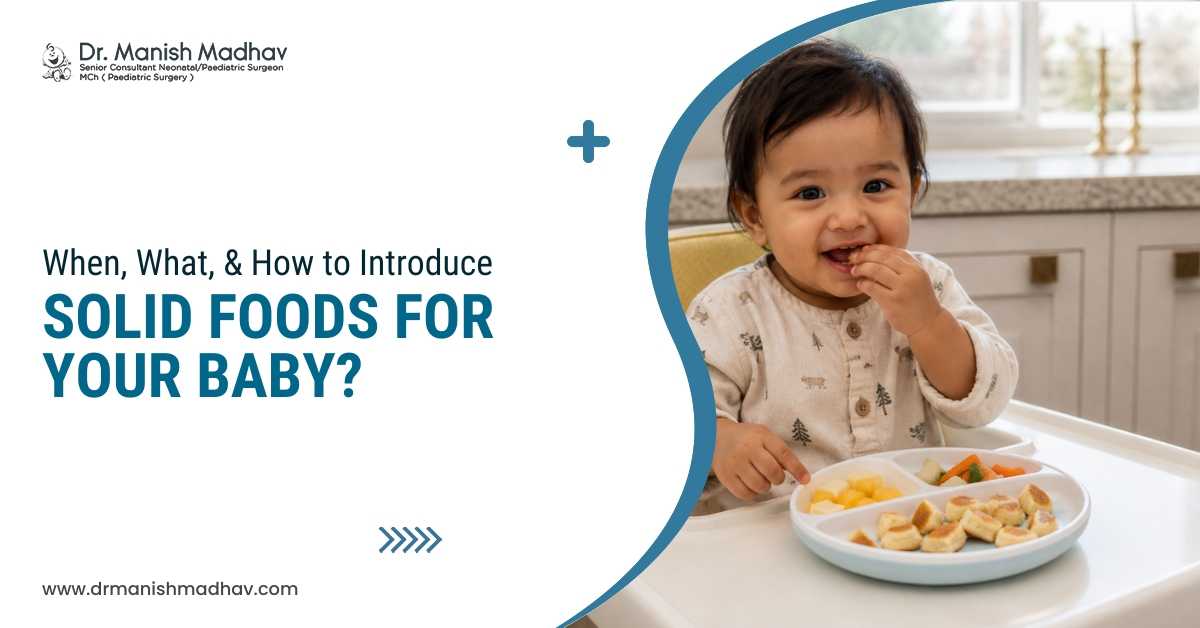

Every new flavor, whether it's the sweetness of a ripe banana or the texture of soft-cooked vegetables, presents a chance to form wholesome eating habits. But a lot of parents are unsure about when their little one is ready for solid foods, what foods to start with, and how to make the transition healthy and safe. To know more about this one can consult a pediatrician in Siliguri like Dr. Manish Madhav.
Complementary feeding, or the introduction of solid foods, is a vital phase in the nutrition of infants. While solid meals progressively supply more energy, iron, protein, vitamins, and minerals as your baby grows, breast milk or infant formula is still necessary during the first year of life. So, if you want to know when to start solid food for your baby, reading this blog will be of great help.
Your family's beautiful transition can be facilitated by knowing the proper timing, selecting nutrient-rich first foods, identifying signs of hunger and fullness, and adhering to food safety procedures. When you use these useful, research-based feeding recommendations, this will make your journey easier.
When Is the Right Time to Give Your Baby Solid Foods?
By the time they are 6 months old, most babies are ready to start eating solid meals. This is the time when their nutritional needs rise, and they start to acquire the oral and motor skills necessary to consume foods other than breast milk or infant formula.
While continuing to nurse, experts advise introducing supplemental foods at six months of age. It is not advised to introduce solids before four months. Nutritional adequacy and feeding development may be affected if you start complementary feeding too early or postpone it needlessly.
Signs your baby is ready for solid foods
Proper nutrition is key to developmental preparedness with age, so keep an eye out for these signs:
- With assistance, your infant can sit up straight and keep their head and neck under control.
- To investigate food, your infant can coordinate their tongue, hands, and eyes.
- When food is presented, your infant opens their mouth.
- Your infant can swallow it.
- Your infant can carry items to their mouth and has an interest in food.
Waking up throughout the night, chewing, or just wanting more milk may not always mean that a child is ready for solid foods.
What Foods Should You Introduce First?
Offering a diverse, well-balanced meal with lots of nutrients, appropriate textures, and various flavors is the aim here.
Start with tiny portions and progressively increase the range of foods your infant consumes.
Foods high in iron
Because iron promotes proper brain development and red blood cell synthesis, it is crucial throughout infancy.
Appropriate choices are:
- Baby foods that have been supplemented with iron, including multigrain or oat cereal.
- Finely chopped, cooked fish, poultry, or meat.
- Mashed beans, lentils, and other pulses.
- Cooked eggs.
Iron absorption can be improved by combining plant-based iron sources with foods high in vitamin C, including soft fruit or mashed tomatoes.
Fruits and vegetables
To introduce a range of flavors and nutrients, provide your kid with a variety of fruits and veggies, such as:
- Mashed carrot, potato, pumpkin, or sweet potato.
- Soft-cooked peas, cauliflower, or broccoli.
- Mango, pear, ripe avocado, or mashed banana.
- Apple or other fruit that has been cooked and softened to the proper consistency.
Wise to incorporate both naturally sweet and non-sweet foods. Babies can become more accustomed to a greater variety of flavors with repeated, relaxed exposure.
Grains, protein, and dairy foods
Soft rice, oats, boiled grains, mashed lentils, and plain, full-fat yogurt without added sugar are highly nutritious options. Plus, pasteurized cheese can be provided in tiny quantities and with the proper texture (excessive amounts can cause digestive issues).
Offer a variety of food categories instead of just cereal or fruit purées every time; balanced nutrient intake is supported by variety.
Baby Weaning Chart: What to Feed Your Baby by Age
A baby weaning chart is a useful starting point, but always take advice from your healthcare professional.
|
Baby's age |
Food texture |
Foods to consider |
General feeding guidance |
|
Around 6 months |
Smooth mash, purée, including soft mashed food |
Iron-fortified cereal, mashed lentils, along with avocado, boiled vegetables |
Give small amounts; gradually build towards 2–3 meals daily; do not force |
|
Around 7–8 months |
Thicker mash, soft foods, safe finger foods, et al |
Egg, yoghurt, minced meat, beans, soft fruit, well-cooked veggies |
Now you can increase variety |
|
Around 9–11 months |
Soft chopped foods, also manageable finger foods |
Family foods adapted for texture, grains, pulses, veggies, proteins |
You might give 4 meals daily, according to your baby’s appetite and developmental readiness |
|
Around 12 months and older |
Age-appropriate family foods |
A varied diet with grains, vegetables, fruits, dairy, et al |
|
Step-by-Step Guide to Introducing Solid Foods
Babies can learn to feed without undue stress when a methodical, gentle approach is used.
Step 1: Begin with tiny servings
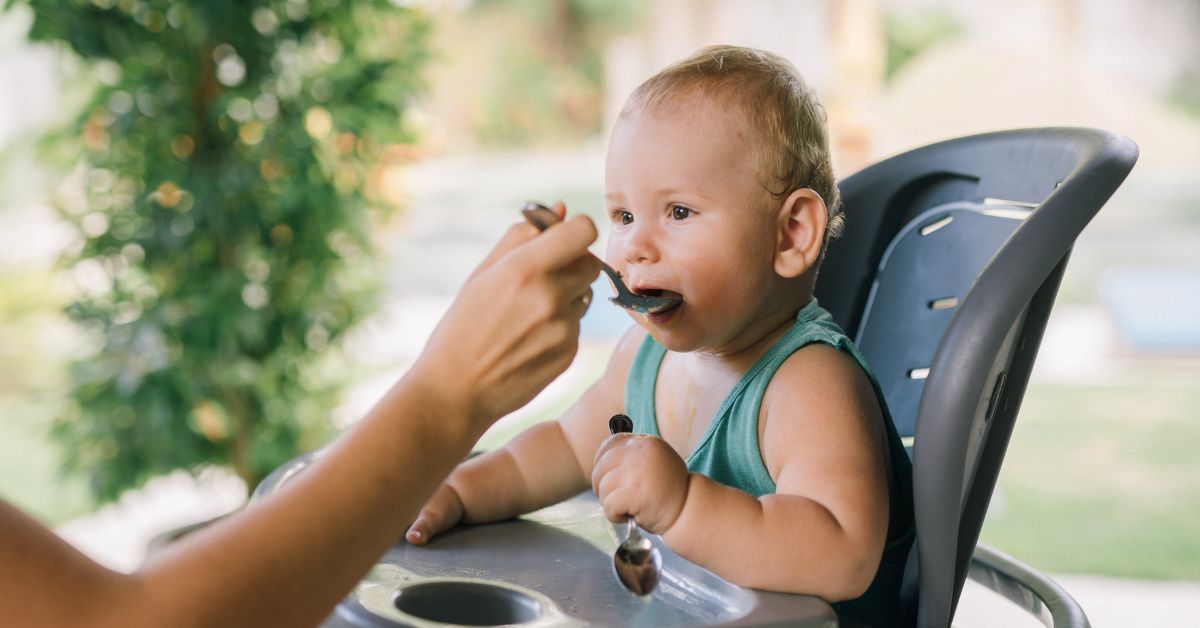
Well, start with a few tablespoons or tiny, tender meal pieces. You must understand that it's not necessary for your little one to eat a complete meal right away. At first, learning to swallow and discovering new flavors are of great importance.
Select a time when your infant is awake, at ease, and not overly hungry or exhausted.
Step 2: Choose an appropriate texture
Start with adequately prepared soft foods that your baby can comfortably eat, such as mashed or puréed foods. As feeding abilities develop, gradually introduce softer finger foods and thicker, lumpy textures.
Though individual development varies, many newborns are able to handle appropriate finger foods by the time they are 8 months old. But please do not leave your infant on smooth purées for longer than is required.
Step 3: Gradually add variation
Serve a variety of cuisines throughout the week; single-ingredient foods can help detect a potential response or digestive issue early on.
While some newborns pick up new meals quickly, other babies require repeated opportunities to try new flavors or textures. Keep presenting meals that your infant refuses to eat without stressing them.
Step 4: Pay attention to signs of hunger and fullness
Being aware of your baby's cues and reacting accordingly is known as responsive feeding, and hunger symptoms could include:
- Opening the mouth in anticipation of eating.
- Reaching for food.
- Showing curiosity about what other people are eating.
Some signs of fullness could be:
- Turning the gaze.
- Shutting the mouth.
- Putting food away or losing interest.
When your infant shows signs of exhaustion, stop. Never use food to coerce your infant into finishing a portion.
Step 5: Increase meal frequency gradually
Initially, your baby could learn from just one tiny feeding chance, so be patient. You need to increase the quantity and frequency gradually based on professional advice, developmental readiness, and appetite.
Experts say babies between the ages of 6 and 8 months should eat two to three meals a day, and those between the ages of 9 and 23 months should eat three to four meals a day.
Older infants and toddlers should also have additional nutritious snacks as needed. For the entire first year, breast milk or infant formula should be used.
How to Safely Introduce Allergenic Foods
A vital aspect of supplementary feeding is introducing common food allergens. Instead of usually delaying the introduction of allergenic foods until your kid is ready for solid foods, current guidelines generally suggest doing so at around six months.
Typical allergies include:
- Eggs.
- Tree nuts and peanuts.
- Dairy products and milk.
- Wheat.
- Soy.
- Fish
- Sesame.
To see how your baby reacts, introduce these foods one at a time and in tiny amounts. Serve them in safe ways, like a cooked egg, a little amount of smooth peanut butter that has been diluted with water. Or, you can combine them with purée or nuts that have been finely ground and added to meals.
A Few Common Mistakes to Avoid During Complementary Feeding
When you give your baby first foods, you may face difficulties even with meticulous preparation. A healthier feeding experience can be supported by avoiding these mistakes.
Beginning with solids too soon: If you start solid foods too soon, wait until about 6 months and check for developmental milestones.
Providing only fruit or watery purées: Include foods high in iron, sources of protein, vegetables, cereals, and appropriate dairy products.
Delaying allergic foods needlessly: Unless your baby's medical condition necessitates expert advice, introduce common allergens in safe forms around 6 months of age.
Encouraging your infant to finish meals: Pay attention to their signs of fullness and let them form a healthy bond with food.
Final Words
A baby's growth, nutritional requirements, and feeding development improve when you gradually help your baby learn the process of eating solid meals. Complementary feeding usually starts for most newborns at six months of age, when extra meals are appropriate due to their growing nutritional needs and developmental readiness.
Consult Dr. Manish Madhav for comprehensive childcare, including advanced pediatric surgical support.
FAQs
1. Can I start giving my infant solid foods before they are six months old?
Modern feeding should start for most newborns at six months of age. It is not advised to introduce solids before four to five months.
2. What is a baby's ideal first meal?
Mashed fruits, soft vegetables, well-cooked eggs, mashed lentils, and iron-fortified baby cereal can be suitable. Give priority to foods high in iron and gradually introduce a range of food groups.
3. How often should I give my six-month-old infant solid food each day?
According to WHO guidelines, infants between the ages of six and eight months should get two to three complementary meals every day.
4. Should I start with one new dish at a time?
Single-ingredient foods can help you detect possible reactions in your baby during the early stages. If your kid has allergy risk factors, get individualized advice from your pediatrician.
5. When are eggs and peanut butter safe for infants to consume?
When your infant is developmentally ready for solid foods, you can usually start introducing eggs and a small amount of peanut butter at six months. Serve the peanut butter smooth, thinned, or combined with the cooked egg.
