
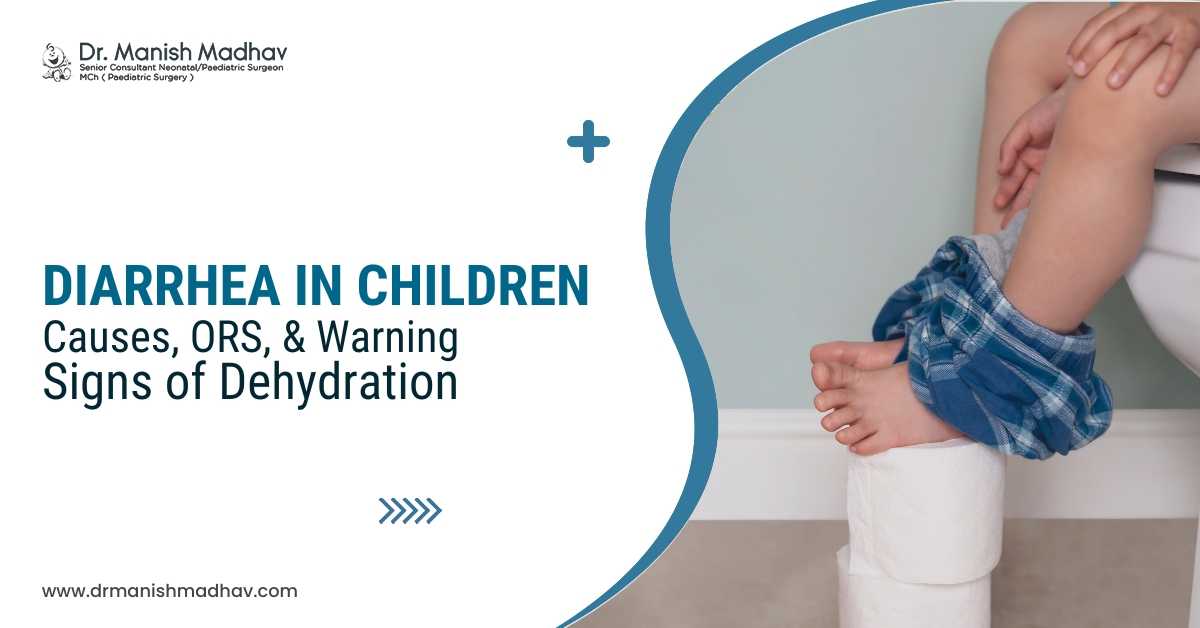

A kid with diarrhea can swing from playful to weak and dehydrated. The loss of water and electrolytes, which can result in dehydration in kids, is typically riskier than the loose stools themselves. Fortunately, most brief episodes are manageable if parents know what to look out for and how to replenish lost fluids. An expert pediatriciancan be consulted to get proper guidance about this condition in a child.
Diarrhea in children is widespread and often associated with illnesses. However, home care can be easier if you understand the potential reasons, use oral rehydration solution (ORS) appropriately, continue proper nutrition, and identify warning symptoms.
Diarrhea in Children – Overview
Diarrhea is defined by the World Health Organization (WHO) as three or more loose or liquid stools in a day, or more frequent stools than are typical for that child.
Plus, children may experience:
- Nausea or vomiting
- Abdominal pain or cramping in the stomach
- A fever
- Decreased appetite
- The stool's mucus
- Some infections cause blood in the feces
Many instances are brief, but diarrhea can be severe when fluid losses exceed the amount of fluid consumed by the infant.
Common Reasons for Diarrhea in Children
Viral infections. Viruses are among the most common causes of children's acute diarrhea. And, gastrointestinal diseases resulting from viruses such as norovirus and rotavirus may easily be transmitted among children and family members.
Diarrhea may be accompanied by vomiting, fever, stomach pain, or loss of appetite. Here, symptoms in kids often improve with supportive treatment and appropriate fluids.
Bacterial infections. Salmonella, Shigella, Campylobacter, and some E. coli strains can be responsible for diarrhea. Some bacterial infections can cause fever, severe stomach pain, and blood in the stool.
Parents or caregivers must not ignore bloody diarrhea as an ordinary stomach virus. A child with blood in his or her feces should see a doctor.
Parasites. Diarrhea can result from parasitic illnesses, such as those caused by Giardia. They might be more common during certain outbreaks or following exposure to tainted food or water.
Recurrent or ongoing childhood diarrhea needs expert attention because a simple viral illness may not be the cause.
Food-related illness. You should know that diarrhea and vomiting can occasionally occur shortly after consuming contaminated food. A helpful clue may come from multiple people who consumed the same dish getting sick.
Dietary and Medication Aspects. Some medications, including antibiotics, can result in diarrhea. Individual food intolerances, dietary modifications, and excessive use of certain sweetened beverages can all cause loose stools.
Why is dehydration the main concern?
Instead of cutting out important food categories without consulting your child's doctor, talk to them about the pattern of diarrhea that often follows a specific meal or lasts longer.
Consider diarrhea to be both a gastrointestinal issue and a fluid-loss issue. It eliminates electrolytes and water from your kid's body. Fever and vomiting might make those losses worse, and babies and young toddlers have fewer fluid reserves; thus, dehydration can develop more quickly.
The goal of home management is simple: restore lost fluids and salts as soon as possible, maintain proper diet, and keep a close eye out for deterioration.
ORS for Children: Why is it so vital?
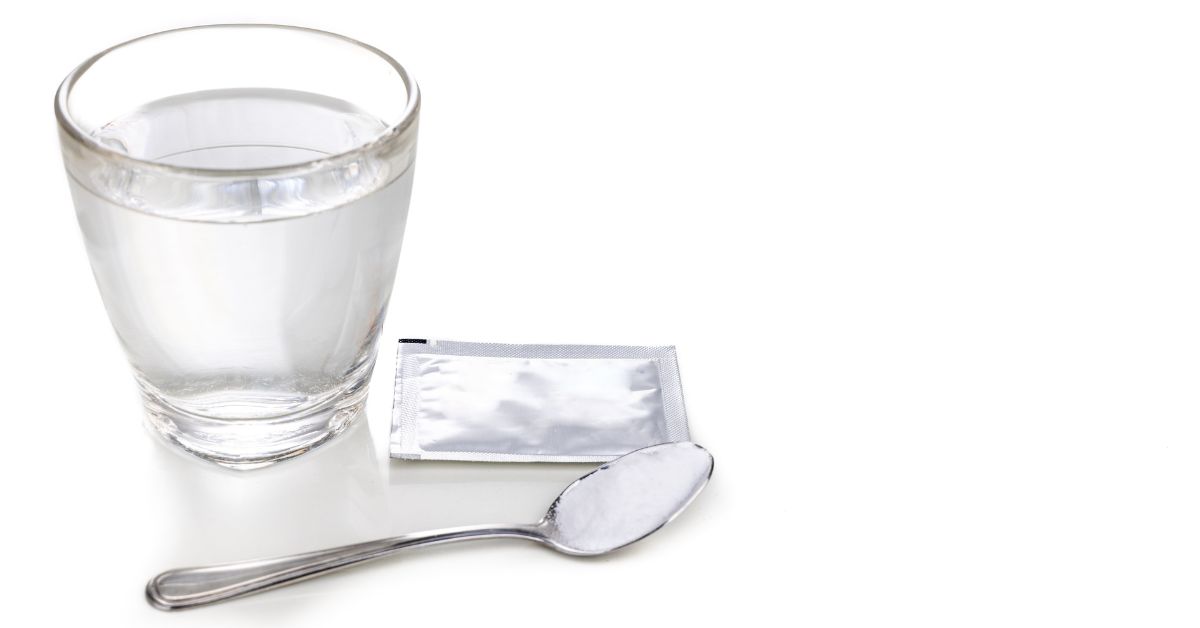
Oral rehydration solution (ORS) is a well-calibrated mix of water, glucose, and electrolytes. Unlike most other drinks, ORS is designed to help the bowel absorb liquids and restore salts lost during diarrhea in kids and adults.
For children with severe diarrhea, ORS can be especially beneficial when fluid losses are high or early signs of dehydration occur. Well, commercial ORS products are often preferred since they use precisely calculated ingredients. Prepare the product exactly as directed on the label and use only safe water; do not overdo it.
How should ORS be given?
The idea is to administer small quantities frequently, especially if your kid is vomiting. If necessary, provide ORS using a cup, spoon, syringe, or other appropriate technique.
If vomiting happens, take a brief pause and then resume with smaller, more frequent sips rather than stopping fluids completely. Make sure you contact your pediatrician for this.
For children with mild dehydration, healthcare providers (paediatricians) may recommend certain ORS levels based on their age and weight. Because we have to understand that hydration requirements vary, especially in infants and toddlers who are vomiting often, follow the product recommendations as well as the advice of the doctor.
What Are Some Things You Should Avoid Giving?
Some drinks may appear beneficial, but they are not adequate alternatives to ORS for kids.
Avoid relying on:
- Soft drinks or carbonated beverages
- High-sugar fruit drinks or liquids
- Sports beverages
- Homemade concoctions with unreliable measurements
- Large amounts of plain water alone when diarrhea is severe
The issue is not simply that these drinks include sugar or water; the mix of water, sugar, and electrolytes is what your kid needs after severe fluid loss. Prescribed anti-diarrheal medication should be given, but non-prescribed meds must not be given to a child.
Breastfeeding should continue, and formulas should be prepared routinely rather than diluted.
Warning Signs of Dehydration in Children
Dehydration can strike swiftly, especially in young kids. Besides the quantity of stools, parents should monitor their child's appearance, behavior, drinking habits, and urination patterns.
Potential signs include the following:
- Reduced frequency of urination or fewer wet diapers
- An increase in thirst
- Dry mouth, tongue, or skin
- When sobbing, few or no tears flow
- Sunken-looking eyes
- Unusual drowsiness, weakness, or lethargy
- Restlessness or irritability
- Rapid heartbeat
- A baby's skull with a sunken soft area
- Pale, grayish, or abnormally chilly skin of a very sick kid
Plus, the WHO lists sunken eyes, lethargy or unconsciousness, difficulty drinking, and a very sluggish recovery of pinched skin as critical signs of severe dehydration.
Why babies need extra attention
Due to their smaller fluid reserves and reliance on caregivers for fluids, babies and toddlers are more susceptible to dehydration than older children. Diarrhea and vomiting can hasten fluid loss.
Don’t wait for dehydration to become apparent; it makes sense to get medical help as soon as a newborn develops diarrhea.
Taking Care of a Child with Diarrhea at Home
For an otherwise alert kid who is drinking, urinating, and showing no alarming symptoms, supportive care may be suitable.
- Start drinking fluids early. Offer ORS regularly, especially if the child is not drinking normally or has frequent stools.
- Keep nursing. Breastfeed the child as usual, or more often if they wish to.
- Keep eating age-appropriate meals. Do not purposely starve a kid who is experiencing diarrhea.
- Keep track of how much pee you produce. A substantial decrease in wet diapers or urination may be an early warning indication.
- Observe the child's conduct. A kid who becomes unusually sleepy, weak, confused, difficult to awaken, or unable to drink requires immediate evaluation.
- Maintain stringent hygiene standards. Wash your hands thoroughly after changing diapers or using the toilet, as well as before preparing or eating meals.
The WHO advises age-appropriate zinc treatment for children with diarrhea in areas where it is part of standard care since zinc supplements can lessen the length and intensity of childhood diarrhea. For information on the right dosage for their child's age, parents should consult a pediatrician near them.
When Should You Seek Medical Attention?
Certain symptoms, however, demand fast medical attention, so get in touch with a healthcare professional if these signs are present:
- Exhibits symptoms of dehydration
- Refusing to drink enough water or not drinking enough
- Has frequent vomiting that keeps them from drinking enough water
- Has dark or bloody stool
- Has a high temperature, especially when combined with other worrisome symptoms
- Is unusually weak, drowsy, disoriented, or hard to wake up
- Is a baby suffering from diarrhea?
- Has diarrhea that lasts longer than anticipated in the short term
- Has an additional illness that makes dehydration more likely
How Can Diarrhea Be Prevented?
Many childhood diarrhea cases can be avoided with proper cleanliness and preventative methods.
Key preventative habits include:
- Wash your hands with soap and water after using the restroom and changing diapers
- Wash your hands before preparing or consuming food
- Use safe drinking water
- Handle and store food in a safe manner
- Clean the feeding apparatus thoroughly
- Avoid feeding your children food or drink from doubtful sources
- Keep children up to date on recommended vaccines, including rotavirus if relevant
Final Words
Children's diarrhea is highly treatable, but the issue that parents should be most concerned about is dehydration. Ensure that your kid starts drinking the right fluids early. Use ORS when necessary, keep nursing and give your kid the right foods, and keep an eye on your child's behavior and urine output.
Wise to consult a pediatrician for diarrhea in children for optimal recovery and expert advice. And, you might seek help from one of the most trusted paediatricians, Dr. Manish Madhav, for pediatric care and support.
FAQs
1. What is the best drink for a child with diarrhea?
When a kid has severe diarrhea or is at risk of dehydration, ORS is typically the recommended rehydration beverage. It has a precise ratio of electrolytes, carbohydrates, and water that is intended to replenish losses.
2. Can I give ORS to my child after they vomit?
Try giving tiny doses of ORS regularly instead of a big drink all at once if vomiting happens. Medical advice is required if the kid keeps throwing up and is unable to keep fluids down.
3. When my child has diarrhea, should I stop feeding them?
Generally speaking, no. Continue feeding the child small, regular quantities of an age-appropriate diet once they are able to tolerate food; you can continue breastfeeding.
4. How can I detect dehydration in my child?
Reduced urination, fewer wet diapers, dry mouth, absence of tears, increased thirst, sunken eyes, unusual drowsiness, weakness, or irritability are the classic signs to look out for. Concerning symptoms should be examined right away with a healthcare provider/ pediatrician because infants might quickly become dehydrated.
5. When is a child's diarrhea considered an emergency?
You must get immediate medical assistance if your kid is unable to drink, is excessively sluggish or difficult to wake, has considerable dehydration, passes bloody or black feces, is having severe abdominal discomfort, or is vomiting and unable to retain fluids.