

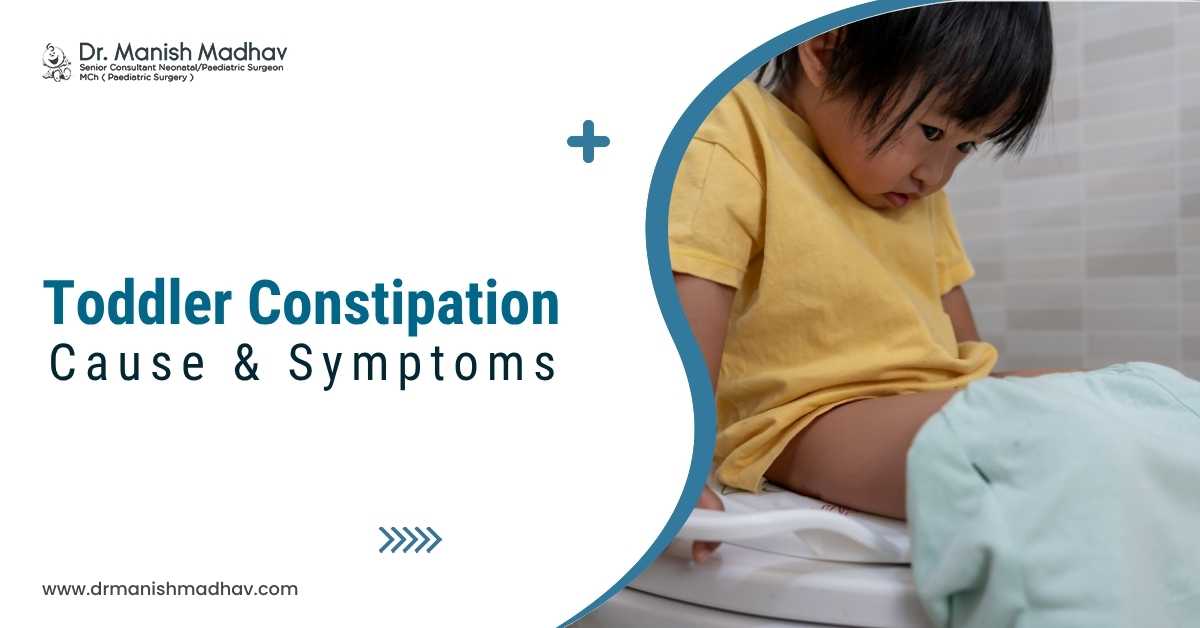

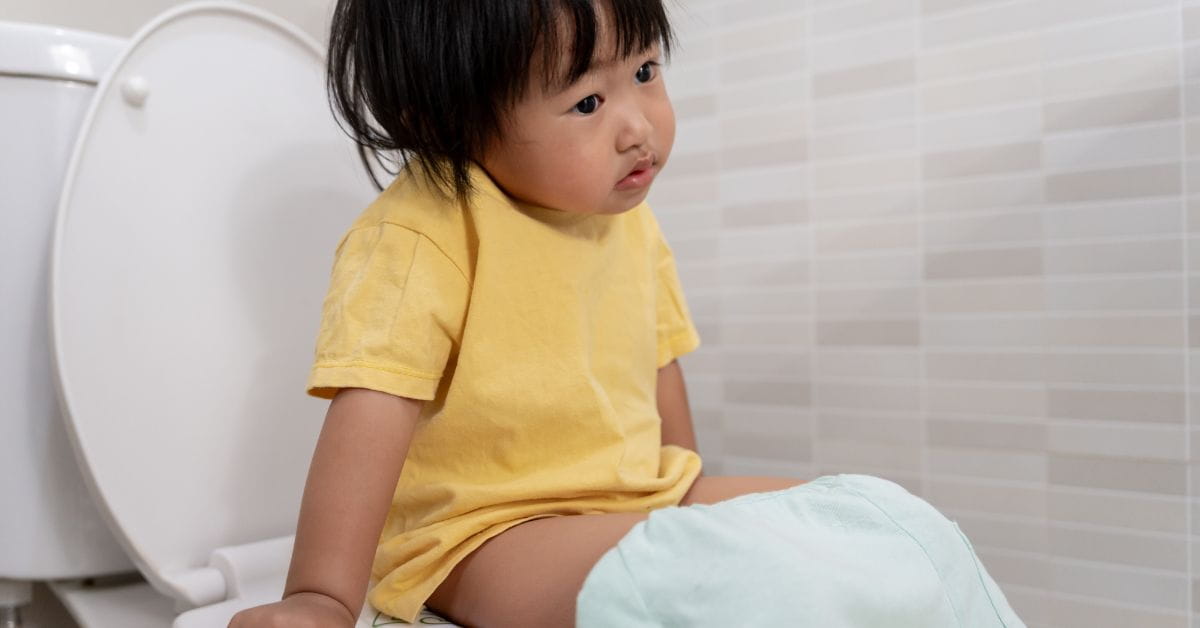
If your toddler suddenly refuses to sit on the toilet, hides in a corner, strains, or cries when trying to poop, do not ignore and try to understand your kid. Between 0.7% and 29.6% of children worldwide suffer from constipation. Sometimes constipation is the real issue, but many parents hardly notice it in the beginning.
Constipation in children can become a distressing cycle for parents. Here, a child faces a difficult bowel movement, develops a fear of pooping, holds the stool in, and then has an even harder and more uncomfortable stool.
However, constipation is normal during the toddler years and is typically treatable with a balanced diet, a good amount of fluids, and proper bathroom habits. And if needed, a pediatrician may advise medications.
In kids, constipation is a common digestive complaint during toilet training, according to the Cleveland Clinic. It hurts to pass their dry, hard poop. Usually, in toddlers, constipation is highly treatable and temporary, and it means they usually poop fewer than twice a week.
A Brief Insight Into Constipation in Kids
Constipated toddlers suggests they have unusually difficult, painful, infrequent, or hard, dry feces. Constipation, however, indicates your kid has fewer than two bowel movements per week.
They may have lumpy or hard stools, uncomfortable defecation, or a sense that the colon has not fully emptied. Large, hard stools, pellet-like feces, and straining are also noted as common symptoms in NHS guidelines.
The medical professional will inquire about the symptoms and medical history of your child. Next, the pediatrician will physically examine your kid. To find out if there are any issues, your child's healthcare provider could possibly perform some testing.
What Causes Constipation in Children – What Parents Should Know
Holding in poop
A very common cause is stool withholding. Most children are thought to suffer functional constipation, while the precise cause of their symptoms is unknown.
A toddler may avoid pooping because they are uncomfortable using a bathroom outside of their home, they are afraid of the toilet, or a recent bowel movement hurt.
Stool absorbs more water when it stays in the colon for an extended period. The child's fear of pooping may then be strengthened as the feces gets firmer, drier, and more challenging to pass.
Toilet training stress
Stool withholding may result from pressure or fear related to using the toilet, yet toilet training may be a joyful milestone. Some toddlers may not be ready to use the restroom on a regular basis developmentally.
As a parent, you may need to temporarily relieve pressure and concentrate on making bathroom time peaceful and constructive if constipation starts during toilet training. Many experts advise parents to take a break from toilet training while constipation is being treated.
Low-fiber diet
Besides adding volume, fiber can facilitate the passage of feces. Constipation may be more common in a toddler whose diet is low in fruits, vegetables, and whole grains.
Your kid can get dietary fiber easily from foods such as fruits, vegetables, legumes, and whole grains.
Excellent options include:
- Pears
- Plums or prunes
- Berries
- Peaches
- Vegetables
- Lentils with beans
- Oatmeal
- Whole-grain foods
Rather than depending on a single constipation food, changes should be implemented as part of a balanced diet.
Not consuming enough fluids
You must know that softer stools are supported by enough fluid consumption. Constipation may become more probable if a toddler drinks insufficient water, especially during hot weather, illness, or times of increased activity.Making sure your child is getting the right amount of water is also crucial when increasing fiber.
Changes in routine
A toddler's bowel movements may be impacted by travel, changes in childcare, beginning preschool, illness, adjustments to daily routines, or emotional stress. Kids preoccupied with playing may also put off using the restroom.
Some medicines or medical conditions
Constipation may worsen with certain meds and supplements, such as some iron supplements and other medications. Constipation is less frequently linked to diseases such as hypothyroidism, celiac disease, Hirschsprung disease, and several neurological and metabolic illnesses.
Symptoms of Constipation in Toddlers
Parents often need to check for both behavioral and physical signs. The reason is that toddlers may not be able to express what is wrong.
Classic signs of constipation in children include:
- Pellet-like, dry, or hard stools
- Big, challenging-to-pass stools
- Crying or experiencing pain during bowel movements
- Pooping when straining
- fewer bowel motions than normal
- Crossing the legs or firmly grasping the buttocks
- Rocking, standing on tiptoe, or performing a "poop dance"
- When they have to poop, they hide
- Bloating, cramping in the stomach, or pain in the abdomen
- Poor appetite
- Blood in trace amounts following the passage of a firm stool
- Underwear that seems to have diarrhea
The strange motions occasionally observed in constipated toddlers may actually be attempts to retain poor in. Soiling or loose feces is a particularly perplexing symptom.
When a hard stool becomes lodged in the rectum, liquid stool may occasionally leak around it. Overflow soiling is the term for this, and it should not be confused with regular diarrhea. Parents should be attentive to this sign in particular.
Diet for Constipated Toddlers - What Can Help?
Constipation can be managed and prevented in part by food; however, toddlers need a balanced eating pattern rather than a rigorous diet.
In general, parents can mainly focus on:
- Providing a range of fruits and veggies (easy to digest and in moderation)
- Including age-appropriate high-fiber foods and whole grains that contain fiber
- Promoting the proper consumption of water and other fluids
- Keeping meals and snacks consistent
- Preventing an overindulgence in highly processed, low-fiber meals
Some kids eat comparatively little food high in fiber and a lot of dairy products, and that’s a problem. It is better to have a balanced diet rather than just cutting out some food items without knowing the overall pattern.
You may not need to make lots of dietary changes on your own; ask your pediatrician or a trained dietitian about age-appropriate fiber and hydration requirements if they continue to have constipation.
How to Treat Toddler Constipation – A Guide for Parents
Changes in lifestyle may be beneficial if your kid has mild constipation. The objective is to disrupt the loop of pain and stool withholding and promote bowel movements.
Set a laid-back bathroom routine. After meals, gently encourage your child who is already toilet trained to sit on the toilet. The kid can learn that using the restroom is a regular part of the day with the support of a consistent routine (be gentle with them).
When your child is sitting on the potty or toilet, their feet should be comfortably supported. Please avoid hurrying, reprimanding, or pressuring the child to have a bowel movement.
Keep toilet training positive. Try to release the pressure if your child’s constipation starts during toilet training. Accidental punishment can worsen their anxiety and possibly worsen withholding, so avoid it.
Wise to commend cooperation and effort gently.
Promote movement. Active play and frequent, age-appropriate exercise are aspects of good bowel habits and may promote regularity.
Don't provide laxatives without a doctor's advice. Medication may be necessary for a few children who have constipation, specifically if the constipation is persistent or the stool has become impacted.
However, parents should consult their child's healthcare provider before giving them any laxatives, enemas, suppositories, or stool softeners. The NIDDK advises seeking medical advice before giving kids laxatives.
Children may link potty with pain if they have had a difficult bowel movement. The colon's muscles work too slowly if your child is constipated. The poop passes through the colon too slowly as a result, so consult your child’s doctor for optimal advice.
Can Constipation Lead to Complications in Toddlers?
Mostconstipation in our kids is temporary and treatable. Long-term stool withholding, however, can start a cycle where passing stool becomes highly difficult and unpleasant.
Among the possible issues are:
- Fecal impaction is the inability to pass firm stool
- Anal fissures, or tiny rips surrounding the anus
- Encopresis or stool leakage
- In more extreme cases, rectal prolapse
- In certain situations, hemorrhoids
A toddler's fear of pooping may increase if they have already experienced pain from an anal fissure, leading to a cycle of withholding.
When Should You Call a Pediatrician?
If your child's constipation persists after using appropriate home remedies, keeps happening again, or lasts longer than two weeks, speak with their doctor.
To know whether further care is required, a doctor can examine the child's nutrition, bowel habits, history of potty training, medications, and other symptoms.
If constipation appears with alarming symptoms like these, get medical help right away.
- Abdominal pain that is severe or persistent
- An abdomen that is noticeably enlarged
- Vomiting
- Rectal hemorrhage or blood in the stool
- A fever
- Weight loss that is not explained
- Severe or deteriorating symptoms
These symptoms can suggest that a condition other than typical functional constipation needs to be treated in a timely manner.
Diagnosis of Constipation in Kids
By talking about the child's symptoms, nutrition, bowel habits, toilet training, medical history, and physical examination, a pediatrician may often rule out constipation.
Most kids don't require a lot of testing for constipation. When symptoms are unexpected, severe, chronic, or point to a different medical issue, tests may be taken into consideration.
To maximize the benefit of the appointment, parents should note:
- How frequently the kid poops
- The appearance of the stool
- Whether or not bowel movements hurt
- If the young person is withholding
- Recent dietary or exercise modifications
- Any drugs or dietary supplements
- Whether stool leaks or accidents occur
Above all, parents should observe how their toddler behaves. Consider stool withholding as a potential indication of constipation if they often hide to poop, tense their body, cross their legs, or avoid the bathroom.
Final Words
If your kid has constipation, it means hard stools, unpleasant bowel movements, stool withholding, discomfort in the abdomen, and changes in restroom behavior. But many cases get better with sensible food adjustments, good hydration, regular kid-friendly exercise, and a relaxed approach to toilet training.
See a pediatrician if constipation doesn’t improve, comes back frequently, or your kid has symptoms like vomiting, blood, severe stomach discomfort, a large belly, fever, or weight loss. A medical expert can tell whether your kid needs further care or tests for a potential underlying reason.
You might seek advice from one of the leading paediatricians, Dr. Manish Madhav, for highly effective childcare.
FAQs
1. What are a toddler's primary symptoms of constipation?
Common constipation symptoms include hard or dry stools, uncomfortable defecation, fewer bowel movements, stool withholding, discomfort in the abdomen, and stool leaks.
2. What makes toddlers constipated?
Stool withholding, poor fiber consumption, insufficient water, frequent changes, and toilet-training stress are common reasons kids have constipation.
3. What foods relieve constipation in toddlers?
Pears, prunes, berries, vegetables, beans, oats, and whole grains are examples of foods high in fiber that can promote regular bowel movements.
4. Can constipation result from toilet training?
A kid may hold stool during toilet training due to fear, pressure, or uncomfortable bowel movements, so parents and caregivers must be gentle with kids.
5. Should I give my toddler a laxative?
Without consulting your child's doctor, never administer a laxative, enema, or other constipation medication, which, without expert guidance, might complicate the situation.
6. When should I visit a pediatrician with my toddler?
If constipation doesn’t heal for more than two weeks, does not get better, or there are signs like vomiting, blood in the stool, chronic stomach pain, a large belly, fever, or weight loss, consult a pediatrician immediately.
