



Is there any tiny protrusion or bulge close to your baby's belly button? If yes, you should see a pediatrician for diagnostic clarity. It is usually an umbilical hernia, a very common condition in babies and kids.
These normally go away on their own without causing discomfort or side effects, but seeing a doctor is essential. You might see your kid to the best child surgeon in Siliguri or near you for umbilical hernia care.
Many parents ask right away if their infant will need surgery or if the hernia will heal on its own. Well, most babies' umbilical hernias heal on their own in the first few years of life. But in some cases, child specialists may suggest medical care or surgery only when it is best for your baby.
Umbilical Hernia Overview
A tiny section of the intestine or fatty tissue pushes through a weak area in the abdominal muscles close to the belly button (umbilicus). It causes an umbilical hernia.
The umbilical cord travels through a tiny hole in the baby's abdominal wall during pregnancy. Now, this opening more often closes when your baby’s abdominal muscles get stronger after delivery.
Some infants, however, have a very small gap where tissue can protrude. This is because the muscles do not fully close. The ensuing lump becomes more apparent when the infant:
- Weep
- Laughing
- Coughing
- Strains that occur during bowel motions
- Sits up straight
You may notice that the bulge frequently gets smaller or goes away entirely when the baby sleeps or relaxes.
How Frequently Do Babies Get Umbilical Hernias? - Overview
During infancy, umbilical hernias are extremely common, and they are more likely to happen in:
- Premature babies
- Low birth weight babies
- Infants born with certain genetic disorders
- Connective tissue abnormalities in infants
The rate is higher in premature babies, but data state that some 10–20% of babies get an umbilical hernia, which are mostly benign.
What Causes Umbilical Hernia in Babies?
Because the abdominal muscles do not completely seal after birth, this condition develops.
Typically:
- The umbilical cord goes through the abdominal wall
- The gap eventually shuts
- Over time, the muscles get stronger
- After birth, the cord is cut
A hernia could result from tissue pushing through the residual opening if the muscles are unable to shut properly.
Activities like:
- Incorrectly holding the baby
- Feeding, bathing, lifting, and crying
Don't cause the condition.
Umbilical Hernia Symptoms and Signs
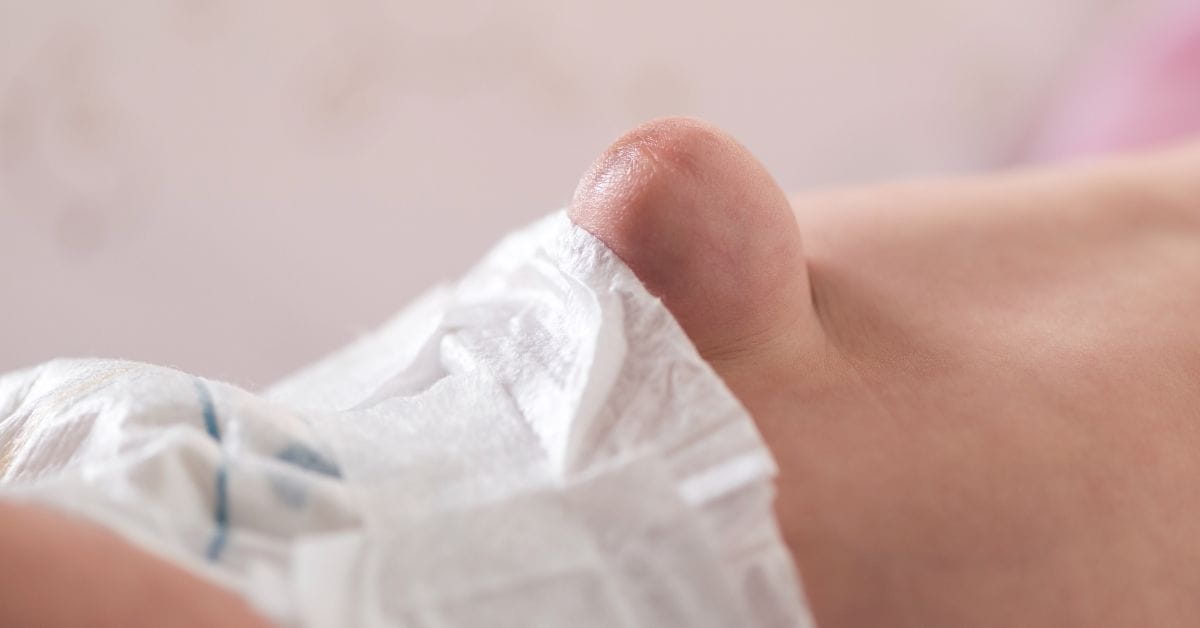
Soft swelling close to the abdominal button is the classic sign parents may notice.
Additional signs include:
- Oval or round bulge
- When crying, the bulge gets bigger
- Smaller when you're asleep
- Usually not painful
- Soft to the touch
- Can frequently be gently pulled back in.
Mostly, infants continue to be playful, energetic, and eat regularly.
How Does an Umbilical Hernia Appear?
Typically, parents observe:
- A lump right next to or beneath the belly button
- A bulge ranging from a few millimeters to some centimeters
- The skin appears normal above the swelling
- Absence of redness
Does an Umbilical Hernia Cause Pain?
Most of the time, our little ones feel no pain (due to the hernia itself; babies typically don't feel any pain).
- Until issues arise, pain is rare
Get your infant medical help right away if they have:
- Crying uncontrollably because of pain, vomiting, and fever
- The hernia's surrounding redness
- Swelling that hardens
- An inability to push back a bulge
How Do You Diagnose an Umbilical Hernia?
The diagnosis is simple in general, and here, a pediatrician will:
- Examine the infant's medical background
- Conduct a physical assessment
- Palpate the hernia
- When you weep or cough, pay attention to the swelling
- Usually, babies don't need imaging tests for umbilical hernias
But a pediatric surgeon may advise ultrasound and there are a few reasons:
- The diagnosis is not certain/ clear
- The hernia looks strange
- There may be complications
Can an Umbilical Hernia Recover on Its Own?
They do heal on their own, and this is one of the reasons why doctors typically advise against quick surgery in favor of monitoring. Ninety percent of umbilical hernias heal on their own before the child is four or five years old.
Without medical interference, smaller hernias are more likely to heal more optimally. In order for the pediatric surgeon to keep an eye on the hernia, parents should go to routine pediatric exams (follow-up check-ups are a must).
Treatment for Babies with Umbilical Hernias
Treatment for umbilical hernias in babies is primarily based on:
- The age of the child
- Size of a hernia
- Symptoms
- Risk of complications
Most infants merely need to be closely watched.
Watchful Waiting
Generally, paediatricians advise just keeping an eye on the hernia because:
- Usually, it closes on its own
- Surgery is frequently avoidable
- Serious issues are rare
Parents should carry on with their regular routines.
Your baby can:
- Play
- Crawl
- Eat as usual
Frequent Monitoring
Regular exams aid in the monitoring of:
- Size of an umbilical hernia
- Development of muscles
- Closure indicators
- Possible issues
This is common that with time many umbilical hernias in kids shrink or go away.
When Doctors Advise Surgery for Babies with Umbilical Hernias
In most cases, umbilical hernias heal on their own, but in some cases, surgery is essential for babies.
Here, pediatric surgeons could advise surgery if:
- After the age of four or five, the hernia still exists
- The gap is enormous/ big
- The hernia becomes trapped
- The blood flow is impacted (strangled)
- The kid is experiencing pain
- There are recurring issues
- The hernia keeps becoming bigger
Children with certain medical issues may potentially benefit from early umbilical hernia surgery.
Incarcerated Umbilical Hernia – What You Need to Know
This is a condition in which tissue is stuck outside the abdominal wall, and it is not possible to force the bulge back inside.
Among the symptoms are:
- Pain, vomiting, swelling, and a hard lump
- Your kid/ baby is being fussy
- Insufficient nourishment
An immediate medical evaluation is necessary for this condition; you might seek guidance from the top child surgeon in Siliguri City.
Strangulated Umbilical Hernia – What You Need to Know
A strangulated hernia is more risky; here, a trapped tissue's blood supply is cut off. This situation needs immediate surgery and may cause tissue damage if treatment isn’t received.
Symptoms could be:
- Extreme discomfort
- Abdominal swelling
- Purple or red skin
- Vomiting and fever
- Crying all the time
- Extreme tenderness
However, this is a rare situation.
Surgery for Umbilical Hernias in Infants
Pediatric surgeons often and safely do umbilical hernia repairs, and the procedure seals the opening and supports the abdominal wall.
How Is Surgery for Umbilical Hernias Performed? - Overview
These stages are typically followed in the procedure; have a look:
- General anesthesia is administered to the baby
- Below the abdominal button, a small incision is made
- The abdominal cavity receives the herniated tissue back
- The opening in the muscle is stitched closed
- Carefully, the skin is sealed
What is the duration of the surgery?
Repairing an umbilical hernia through surgery typically takes place within:
- 20 to 45 minutes
Usually, babies return home the same day; your pediatric surgeon will ensure the proper advice on this.
Is Umbilical Hernia Surgery Safe?
Umbilical hernia surgeries are generally safe. When carried out by skilled pediatric surgeons, the treatment has a high safety record. Although they are rare, complications you should know about are:
- Infection
- Bleeding
- Swelling
- Fluid accumulation
- Recurrence of hernias in response to anesthesia
Overall, there is a fairly high success rate and a rare risk of umbilical hernia surgery.
Recovery Following Surgery for Umbilical Hernia - Overview
In general, children heal quickly after umbilical hernia surgery, and most infants:
- Return home the same day
- Feed again in a few hours
- Resume regular activity in a few days
- Feel very little discomfort
For a little time, doctors could advise using painkillers based on the situation of your kid. Another important thing is that the wound should be kept dry and clean by the parents.
Taking Care of Your Baby After Surgery
You should pay close attention to what your surgeon says, and typically, home care includes:
- Maintaining a clean wound
- Keeping the incision from becoming compressed
- Keeping an eye out for fever
- Noticing redness
- Administering prescription meds only
- Keeping follow-up appointments
Most stitches come loose on their own, but make sure you go for follow-ups as advised.
When Do Parents Need to See a Physician?
If your baby develops any of the following, contact/ reach out to your doctor:
- A fever
- Continuous vomiting
- Increasing discomfort
- Swelling
- Redness surrounding the wound
- Drainage or pus
- Having trouble eating
- Overindulgence in sleep
- Recurrence of the bulge following surgery
You can avoid umbilical hernia-related complications with early treatment.
Is There Any Way to Prevent Umbilical Hernia?
There’s no way. Natural development before delivery is the cause of umbilical hernias, and parents cannot prevent that.
Additionally, there is no scientific proof that:
- Bands on the belly
- Coins taped over the belly button
- Tightly wrapped in cloth
- Home remedies
Aid in the hernia's closure. In fact, these behaviors may make skin discomfort or infection more likely, so please be sure to avoid these practices and consult a doctor. You might get personalized advice from the best child surgeon in Siliguri City or a pediatric surgeon near you.
Potential Issues
Complications are rare as mentioned earlier; however, they could include:
- Blockage of the intestines
- Incarceration
- Strangulation
- Infection following surgery
- Recurrence of hernias
These health risks in babies are greatly reduced if you take fast/ prompt medical assessment.
Long-Term Outlook
The fact is that babies with umbilical hernias have a very good prognosis, and most kids:
- Heal naturally
- Have no long-term health problems
- Develop normally
- Later in life, engage in sports without any limitations
Also, kids or babies who have surgery usually recover completely and have extremely little risk of recurrence.
Avoid using belly bands or taping coins as home treatments if you see a bulge close to your baby's belly button. For a precise diagnosis and useful advice, you simply need to speak with your pediatrician instead. If you delay seeing a pediatrician, it may only increase the health risk to the baby.
Final Words
Yes, umbilical hernias are very common in babies and are typically benign. And, they go away on their own as babies’ abdominal muscles get stronger. For the majority of newborns, routine pediatric examinations and close observation are enough, so parents must be more attentive.
Surgery serves hernias that last past early childhood, are particularly large, or cause complications like strangulation the best. Repairing an umbilical hernia is a safe, efficient operation that produces good results and a speedy recovery in most cases.
To best understand the diagnosis and treatment for umbilical hernia in Siliguri, you might see Dr. Manish Madhav.
FAQs
1. When do umbilical hernias often go away?
By the time our kids are two to five years old, most umbilical hernias naturally close.+
2. Is it possible for my infant to sleep on their stomach?
It is possible. When it comes to safe sleep and tummy time, consider your pediatrician's advice, and in most cases, unique positioning is not necessary for an umbilical hernia.
3. Is it possible to gently push the hernia back?
Make sure that you do not ever push it; rather, see a doctor if the bulge hardens or cannot be minimized.
4. Does surgery hurt?
Under general anesthesia, the umbilical hernia treatment is carried out. Afterward, mild discomfort may occur, but it is typically controlled with the right pain medication and goes away fast.
5. After surgery, can the hernia recur?
Recurrence is rare, but it can happen in a few cases.

