


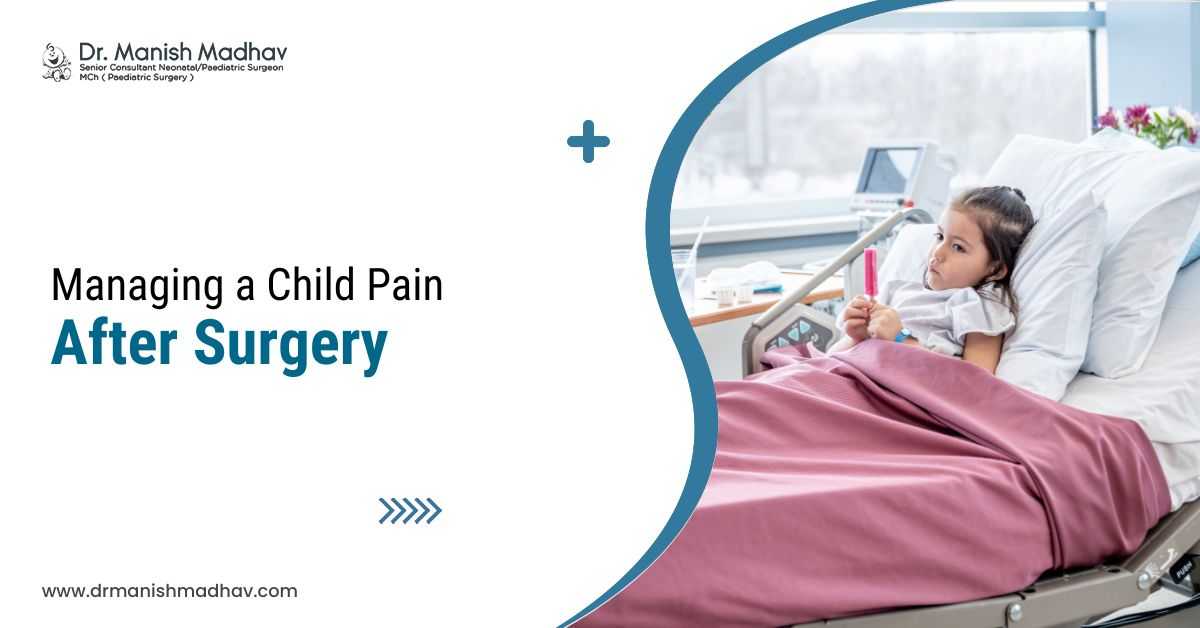

Pain related to surgery is a very practical thing. And, yes, seeing our kids healing from surgery is very overwhelming. Pain management is one of the most important issues for many parents. It can be challenging to determine if a child's discomfort is normal or requires medical attention at the moment.
Here, you might seek advice from the leading child surgeon in Siliguri, Dr. Manish Madhav. Recovery following surgery very much depends on effective pain management. Children can sleep better, eat healthily, move more comfortably, and heal more quickly when pain management goes well. However, untreated pain can lengthen one’s recovery and cause tension and stress.
Common Types of Pain After Surgery
The type of surgery, the child's age, and general health all affect how uncomfortable the procedure will be. Pain is to be expected, especially in the initial days of pediatric surgery.
Common signs and symptoms include:
- Pain in the vicinity of/ near the surgery site
- Moderate edema/ swelling
- Aches in the muscles
- Burning or throbbing feelings
- Anger or sobbing
- Having trouble falling asleep
Over several days, pain normally progressively gets better, and some treatments, nevertheless, can have a lengthier recovery time.
Importance of Pain Management Following Pediatric Surgery
After pediatric surgery, pain is a normal reaction. However, the fact is that a child's physical and mental health may suffer if they experience severe or untreated pain.
Children benefit from effective pain management:
- Get more restful sleep
- Remain composed & at ease.
- Move around securely
- Eat & drink as usual
- Heal more efficiently
- Low anxiety about upcoming medical procedures
A few children are less likely to experience complications like dehydration or breathing issues due to pain-induced shallow breathing.
Signs That Your Child May Be in Pain
It's possible that young children won't always express their pain, and they might show behavioral or physical symptoms.
Look for signs like:
- Weeping more than normal
- Anxiety
- Refusing to eat or drink
- Having trouble falling asleep
- Grimacing of the face
- Clinging
- Low activity
- Protecting the surgery site
- Sweating or an elevated/ high heart rate
Older kids may describe pain as throbbing, aching, dull, or sharp. Now, pain levels should be routinely checked by parents, particularly in the first 48 hours following surgery.
Understanding Children's Pain Scales
Typical pain scales include:
The Faces Pain Scale
From smiling (no pain) to sobbing (extreme pain), children point to a face that best expresses their emotions, and this is what it means.
A Numeric Scale
On a scale of 0 to 10, older kids rate their level of pain.
The Behavioral Scale
Healthcare professionals watch for body language, sobbing, movement, & facial expressions in kids to understand their pain level.
Parents can monitor their child's healing progress by using these tools at home, but they should not decide the entire level of pain by using this alone.
Safe Ways to Manage a Child’s Pain After Surgery
Combining medicine, comfort measures, and mental support is generally necessary to manage postoperative pain in our kids.
Give prescription drugs exactly as directed.Pediatric surgeon might advise:
- Paracetamol, or acetaminophen
- Ibuprofen
- For extreme discomfort, only prescription painkillers
Parents should always pay close attention to dose guidelines, but never raise the dosage without consulting a doctor.
Practical advice about medications:
- For liquid medications, use a measuring syringe/ cup
- Maintain a written timetable
- If pain is anticipated, do not miss doses on the first day
- Don't give kids any adult drugs
Get advice from your healthcare professional/ pediatrician if your child throws up after taking medication.
When advised, apply ice packs. Both swelling & discomfort can be lessened with cold therapy; apply when advised and as the doctor has guided.
Advice for safe usage:
- Put a cloth around the ice packs.
- Apply for 15 to 20 minutes at a time.
- Ice should never be applied straight to skin
Before you use cold therapy, always follow your surgeon's recommendations.
Encourage Rest & Comfortable Positioning
After surgery, rest is one of the most essential parts, and the strain on the surgical site may be lessened in certain positions.
For instance:
- Head elevation following tonsil surgery
- Using pillows to support the abdomen following abdominal surgery
- Maintaining limb elevation after orthopedic operations
You can considerably lower the pain if you adopt a comfortable position for your little one.
Distract Your Child
Distraction strategies can lessen anxiety and divert your kid’s focus from uncomfortable situations.
Beneficial distractions include:
- Watching cartoons that you love
- Taking in some music
- Reading narratives
- Engaging in silent games
- Coloring pages
- Making video calls to relatives
An essential component of pain management is emotional comfort.
Promote Calm Motion
Light exercise may enhance blood circulation and lessen stiffness in your kids, depending on the procedure.
Your child's physician might suggest:
- Strolls
- Stretching gently
- Perched upright
- Deep breathing techniques
Until the medical staff gives the all-clear, keep your kids from physically demanding activities.
Foods & Hydration During Recovery
No doubt, children who are recuperating from surgery require adequate hydration and nutrients.
Parents must know that hydration is beneficial:
- Avoid constipation
- Encourage healing
- Ease vertigo
- Boost your energy levels
Make an offer:
- Water & clear soups
- Homemade fruit juices
- Soft foods
- Yogurt & applesauce
- Potatoes mashed
Cool & soft foods are generally easier to tolerate following throat surgery.
Managing Pain at Night
To improve your child's quality of sleep:
If recommended, take painkillers before bed
- Set a peaceful sleeping space
- For support, use more pillows
- Keep the space cold and quiet
- Maintain consistent sleep schedules
Especially in the initial days, some kids may have uncomfortable nighttime awakenings. Make sure you don’t provide them oily, spicy, or hard foods until your doctor has given the all-clear.
Emotional Support During Recovery
For kids, surgery can be daunting, and anxiety might make one feel more pain, so parents can assist by:
- Remaining composed & comforting
- Putting recuperation into basic terms
- Giving consolation and hugs
- Honouring courage
When a kid feels emotionally secure, they are often better able to handle discomfort related to surgery.

When to Contact the Doctor or Pediatric Surgeon
Some symptoms need fast medical support without delay, even though some pain is typical.
Speak with your pediatric surgeon/ doctor if your child has:
- Severe pain that doesn't go away with medicine
- A fever
- Overly large swelling
- Pus or redness surrounding the wound
- Breathing difficulties
- Continuous vomiting
- Refusal to consume liquids
- Extreme drowsiness
- Bleeding at the site of surgery
What Mistakes You Should Avoid As a Parent
Administering Inaccurate Doses. Always adhere to medical advice (very important) and use the appropriate measuring tool.
Ignoring Emotional Stress in Kids. Anxiety & fear in kids can exacerbate surgical discomfort.
Permitting Excessive Activity Too Early. You have to understand that children may overexert themselves when they feel temporarily better, which might result in setbacks.
Comparing Your Recovery to That of Other Kids. Every youngster recovers in a unique way, so please do not compare your kid to others.
After Surgery, How Long Does Pain Last?
Depending on the technique, recovery times differ.
Timelines in general:
- A few days for minor operations
- One to two weeks for tonsil surgery
- Orthopedic treatments: a few weeks
Longer recovery times follow major abdominal operations, and each day, pain often gradually lessens. After your discomfort has improved, call your pediatric surgeon if it suddenly gets worse.
Advice for an Easier Recovery at Home
Here are some easy methods to aid with healing and organize your meds.
- Pay close attention to the discharge directions
- Keep your follow-up appointments
- Promote staying hydrated
- Serve balanced meals
- Observe the surgery site every day
Both parents and kids might experience less stress if they are prepared, comfortable, and consistent.
Discussing Pain with Your Child
Because they don't understand pain, children frequently fear it, and that’s natural.You should use language that is appropriate for your age, such as: Your body is recovering; You'll feel better after taking the medication; Tell me if something hurts you, etc.
Final Words
Yes, it takes time, care, and emotional support to manage a child's pain after surgery. While some discomfort is very common, recovery can be made safer and more comfortable with the right approach or care.
Throughout the healing process, parents’ role is essential. These include keeping an eye on symptoms, administering medications appropriately, promoting rest, offering consolation, et al.
There’s no doubt that every child recovers in a different way; some kids can successfully resume their regular activities a little earlier. Be sure to get advice from your healthcare practitioner if you're ever unsure about your child's symptoms, side effects, or discomfort after surgery.