

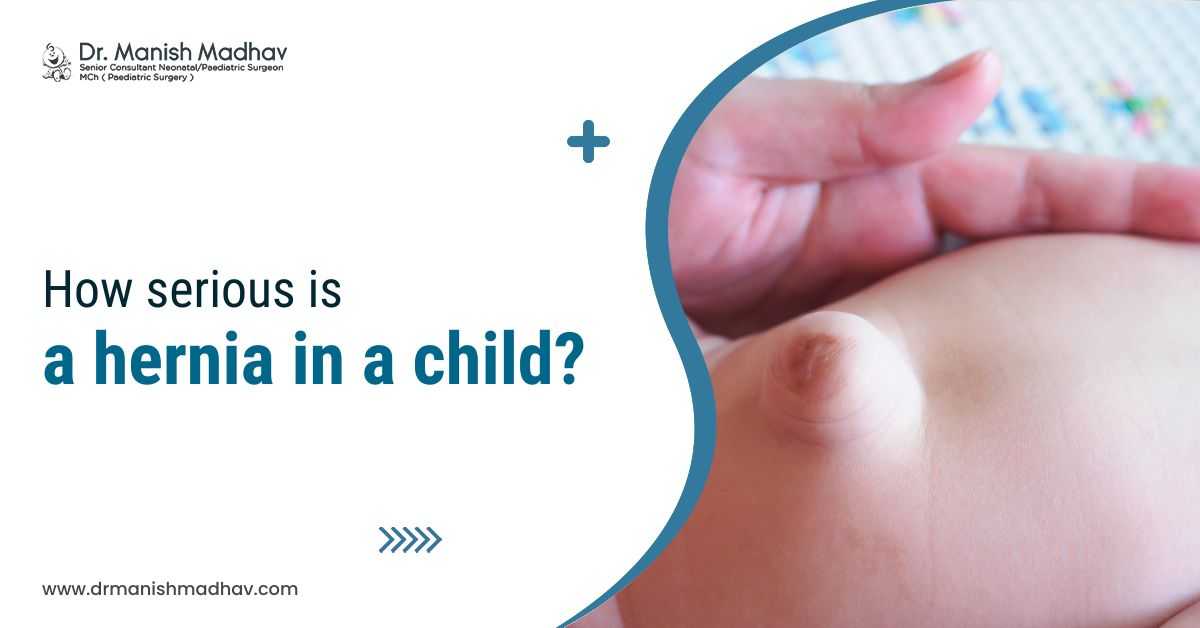

Hernia in children is nothing uncommon, but it’s also natural for any parent to experience tension upon learning that their child has a hernia. Usually, hernias in kids are highly treatable and never cause major problems when detected early.
However, if treatment is not received, some hernias may become a health risk. Parents should seek medical attention when necessary, and timely diagnosis is possible when they are aware of the symptoms, risks, etc. Receive expert advice and care from the best child hernia surgeon in Siliguri City or near your place.
What Does a Hernia Mean in Children?
It means an internal organ or tissue pushes through a weak spot in the surrounding tissue wall or muscle. Hernias commonly exist in children from birth; however, they might not show symptoms immediately.
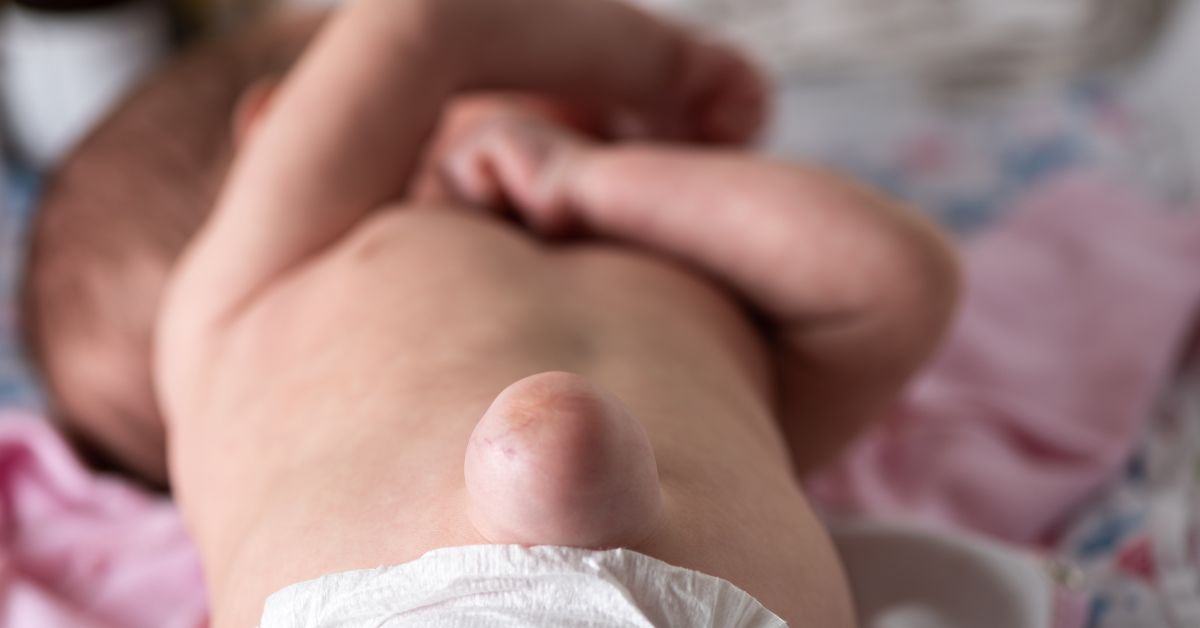
A soft lump or swelling beneath the skin is a classic symptom of childhood hernias. You may notice the child screaming, coughing, straining, or standing, and when they do so, the swelling may become more noticeable.
Most pediatric hernias happen in the groin or abdomen.
Is a Child's Hernia Serious?
The type, size, and development of a hernia determine how risky it is.
While some hernias may heal on their own or need minimal care, other types need surgery to avoid potential complications.
A hernia might not be harmful right away if:
- The lump is painless and soft
- When the child calms down, the swelling goes down
- The child plays, eats, and sleeps as usual
- Neither vomiting nor fever is present
You should know that many umbilical hernias in kids heal on their own without medical treatment. Nonetheless, a pediatric doctor should still evaluate hernias that appear moderate.
When a Hernia Gets Serious
If a portion of the intestine becomes trapped, a hernia may become a serious concern, and we refer to this state as incarceration. A strangulated hernia is a medical emergency, and it means the blood supply to the trapped tissue is severed.
Signs of a Serious Condition
Get your child medical help right away if they have, or you notice:
- Extreme discomfort
- A large or firm lump
- Fever, vomiting, and redness or discolouration surrounding the hernia
- Not wanting to eat
- Prolonged sobbing
- Bloating or constipation
- An inability to push a hernia back in
These signs could point to an intestinal blockage or strangulation, and tissue damage can occur rapidly in the absence of treatment.
What Leads to Children's Hernias?
The majority of pediatric hernias are congenital, which means they form prior to birth.Small openings in the abdominal wall typically seal before delivery during fetal development. Tissues may eventually push through if they stay open.
Kids are more likely to develop hernias due to certain factors:
- Early birth
- Hernias in the family history
- Persistent coughing
- Constipation
- Disorders of connective tissue
- An increase in abdominal pressure
The Two Most Common Types
1. Inguinal Hernia
An inguinal hernia is the most common diagnosis in this category. It happens when a portion of the intestine passes through a hole in the abdominal wall.
The scrotum or groin may enlarge, and it usually gets bigger when your baby cries or moves.
The affected site is near the abdominal button, which happens when the muscles in the abdomen do not completely close after birth.
Infants and babies frequently have this type, and by the time they are three to five years old, it usually closes on its own.
Hernia Symptoms in Kids – What You Must Know
The kind and severity of the symptoms differ, and common signs are often:
- A noticeable protrusion/ buldge, or hump
- Swelling in the abdominal button or groin
- Pain or discomfort
- Infants' fussiness
- Swelling that varies in size
- Abdominal pressure or heaviness
It is possible that some kids might not feel any pain at all. When an infant is crying or straining, the bulge frequently becomes more apparent, and parents should not ignore it.
How Pediatric Surgeons Diagnose a Hernia
A physical examination is typically used by doctors to diagnose hernias, and kids may be asked by the doctor to:
- Stand, cough, and cry (for babies)
Actually, this increases the visibility of the hernia. And, to confirm the diagnosis or look for problems, imaging tests like an ultrasound could be essential in some cases.
Does Every Childhood Hernia Need Surgery?
Not all the time; however, the type of hernia determines the ideal treatment that your kid may need.
Umbilical Hernias
By the age of three to five, many umbilical hernias spontaneously close, and doctors may only keep an eye on the hernia unless:
- The hernia starts to hurt
- It gets bigger
- It doesn't close on its own
- There are complications
Inguinal Hernias
Because inguinal hernias are more likely to trap the intestine and do not heal on their own, surgery is nearly always necessary for kids. Surgery is typically advised by doctors shortly following a diagnosis.
Is Surgery for Hernias Safe for Kids?
Surgery for pediatric hernias is frequently and generally safe, and a pediatric surgeon typically performs the surgery under general anesthesia.
Most surgeries:
- Take less than an hour
- Are not overly intrusive
- Permit same-day release
- Recuperate quickly
With timely surgery, we can avoid hernia-related complications.
Recovery After Hernia Surgery
After surgery, children typically recover fast.
Parental Recovery Advice
- Pay attention to the pediatric surgeon’s advice
- Make sure the surgical site of your kid is dry plus clean
- Make sure you keep your kid from strenuous exercise for a few weeks
- After surgery, serve light meals
- Keep an eye out for fever or edema
In a few days, most kids resume their regular activities.
Can a Hernia Recur in Your Kid?
Hernias can occasionally return in pediatric patients following surgery; however, this is rare.
The danger is marginally greater in:
- Premature babies
- Children suffering from connective tissue diseases
- Children who had emergency strangulation surgery
Routine follow-up appointments are vital, as these aid in ensuring appropriate recovery.
Can Hernias Be Prevented in Children?
Prevention is not always possible because most childhood hernias are congenital. Here, parents can assist by:
- Early treatment of constipation
- Taking care of persistent coughs
- Promoting a nutritious diet
- After pediatric examinations
The strongest defense against major problems is early diagnosis, and there’s no doubt about it.
When Should Parents Visit a Pediatric Surgeon?
Parents ought to see a pediatrician if they notice a few signs in their kids:
- Any strange swelling or lump
- Swollen groin in boys
- Persistent bulges at the abdominal button
- Discomfort near the swelling
- Feeding issues or vomiting
Medical evaluation is very important for our kids, even if the child appears comfortable. You might seek guidance from the top paediatric surgeon in Siliguri or near you for the hernia surgery in kids.
FAQs
1. Can a kid live with a hernia without treatment?
Some small hernias, particularly tiny umbilical hernias, can be safely monitored. However, in order to avoid complications, inguinal hernias typically need surgery so that there’s no health risk for your little one.
2. Do children get pain from hernias?
While some kids don't feel any pain, others sense pressure or discomfort or a feeling of heaviness.
3. Can a hernia result from crying?
Crying can make an existing hernia more obvious because of increased abdominal pressure.
4. Are children at risk for hernia surgery?
Pediatric hernia surgery is usually safe, especially when skilled pediatric surgeons do it.
5. If a hernia is not treated, what will happen?
Hernias can become fatal in a few cases; if it is left untreated, it can trap the intestine and obstruct blood flow.
Conclusion
If you have the same question How severe is a childhood hernia? This is how the blog has simplified the answer. The type of hernia and the speed at which it is treated will determine it.
Some pediatric hernias can become risky if left untreated, but many are highly treatable and do not need surgery. Inguinal hernias commonly need surgery to avoid health problems, such as strangulation.
If there’s an abdominal enlargement or a strange lump in kids, parents should never ignore it. Treatment can be easier, safer, and more effective with early diagnosis and timely pediatric care.
See a pediatric healthcare provider for an accurate assessment and advice if you think your kid might have a hernia, such as Dr. Manish Madhav.

