
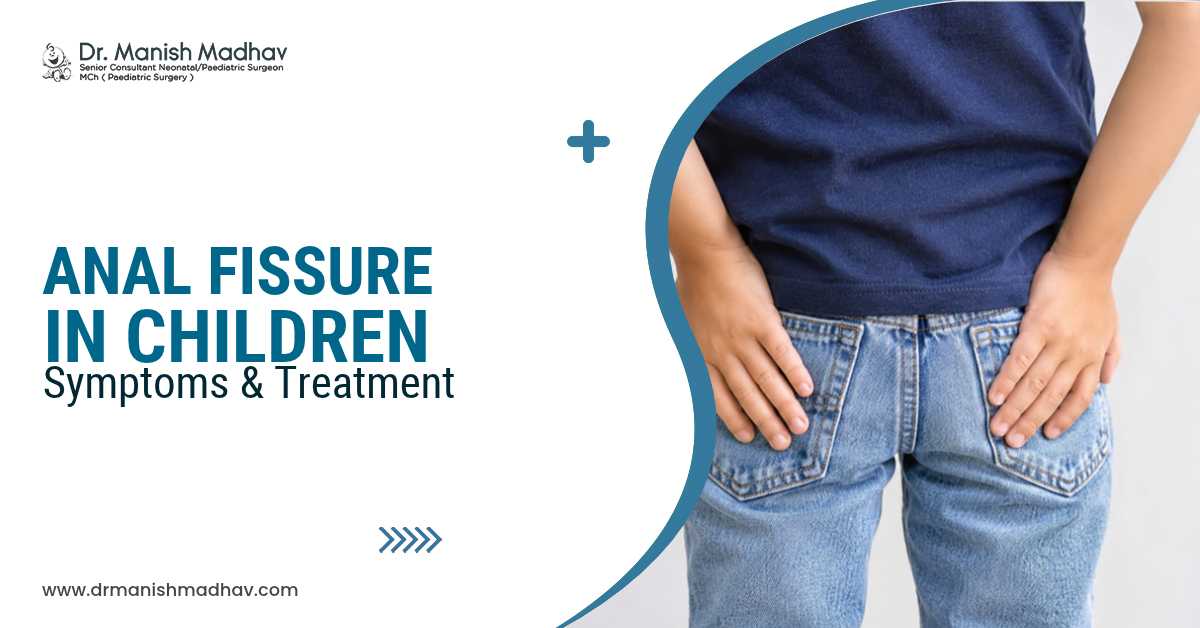

Anal fissure in children is a tiny rip or fracture in the delicate skin of the anus, the orifice through which feces exits the body. It usually appears when a child passes large or hard stools, usually as a result of constipation.
Even a tiny tear may cause discomfort, pain during bowel movements, and sometimes bleeding. These are somewhat common in infants, especially in small toddlers and infants who are constipated. Because of the pain, some kids may develop a fear of passing stool, which can result in stool withholding and further constipation.
What is an Anal Fissure in Children? – Overview
An anal fissure is a small rip in the skin right around the anal hole or in the lining of the anal canal. Usually, it happens when bowel motions cause the sensitive tissue to extend over its natural limit.
Constipation is a classic contributing cause in children. Hard, dry feces can cause a tiny tear and damage to the delicate tissue when they pass through the anal orifice.
An anal fissure can be chronic (long-lasting or reopening) or acute (newly formed). While recurrent fissures may need further medical examination and treatment, acute fissures typically respond well to conservative treatment.
What are the Common Symptoms of Anal Fissure in Kids?
Parents can schedule a prompt medical evaluation if they are aware of the signs of an anal fissure. Determined by the child's age and the extent of the tear, different symptoms may appear.
Common symptoms include the following:
1. Pain When Moving Your Bowels
A common sign here is pain during bowel movements. When using the bathroom, kids may cry, get agitated, or complain of a burning or stabbing feeling.
After the bowel movement, the pain could persist for a while, especially when the surrounding muscles tense or become irritated.
2. Bright Red Blood in Stool
On the surface of the stool, toilet paper, or baby's diaper, parents may see tiny lines of bright crimson blood.
When the tear reopens during your kid’s bowel movement, this bleeding typically happens. However, there are multiple reasons why your kid may experience rectal bleeding. Inform your pediatricianabout symptom healing and management.
3. Hard Stools and Constipation
Children who have anal fissures may have large, dry, or hard feces, and constipationmay be a cause of the illness as well as one of its effects.
Now, kids may purposefully postpone using the restroom when passing stools becomes uncomfortable, which exacerbates constipation.
4. Fear of Using the Toilet
Some kids experience anxiety during bowel movements because they believe that passing stools hurts. You may notice behaviors like hiding, crossing one's legs, hardening one's body, or refusing to sit on the toilet.
Stool withholding is a behavior that can lead to recurrent fissure formation and constipation.
5. Anus-Related Itching and Irritation
A kid may report discomfort, tenderness, or itching near the anal opening, and the afflicted region might look a little red or inflamed.
Ongoing cleaning, wetness, or recurrent contact with firm stools can also cause persistent irritation.
What Leads to Children's Anal Fissures
Treatment and recurrence prevention depend on determining the underlying cause.
1. Constipation
Kids’ anal fissures can result from constipation. Stool becomes hard and dry when it stays in the intestine longer than usual because more water is absorbed from it. The sensitive anal tissue may be stretched and torn by passing hard stool.
2. Passing Large or Hard Stools
After having one especially large or difficult bowel movement, even kids without constipation may develop a fissure.
The delicate skin surrounding the anal entrance may be harmed by the pressure and straining.
3. Frequent Diarrhoea
The anal region may get irritated due to loose bowel movements. The surrounding skin may be harmed by frequent wiping and stool contact, raising the possibility of severe tears or splits.
4. Poor Dietary Fibre
Some children may get constipation as a result of a diet low in fiber. Fiber -rich food/ meals help promote regular bowel movements and give feces more volume. Children may find it more difficult to maintain good bowel habits if they consume insufficient amounts of fruits, vegetables, and whole grains; parents should look after this.
5. Poor Fluid Intake
Hard stools can result from dehydration, especially when coupled with a low-fiber diet. Drinking enough water promotes healthy digestion and keeps feces softer.
6. Stool Withholding
Due to uncomfortable bowel movements in the past or fear, some kids purposefully avoid passing stools. This is especially typical during toilet training or following a constipation episode. Stools held for extended periods of time may become larger and harder, which raises the risk of another fissure.
Based on the child's age and related symptoms, pediatricians or pediatric surgeons may also consider other underlying illnesses, such as inflammatory bowel disease, in children with recurrent or persistent fissures.
How Can a Child's Anal Fissure Be Diagnosed?
Talking about the child's symptoms, bowel habits, and medical history usually starts the diagnosis process.
A pediatrician orpediatric surgeonmay ask parents some questions regarding:
- The length of time and frequency of bowel movement pain.
- Whether the child is experiencing diarrhea or constipation.
- Stool appearance and consistency.
- Rectal bleeding's existence, quantity, and frequency.
- Anal fissures in the past?
- Changes in overall health, weight, or hunger.
To find a visible rip surrounding the anal opening, a gentle physical check may be carried out.
How Doctors Treat Anal Fissures in Children
The main goals of treatment for pediatric anal fissuresare pain relief, stool softness, and tissue healing.
Conservative treatment may improve most simple tears. The child's age, symptoms, underlying cause, and reaction to first care help decide treatment.
1. Dietary Changes
Dietary changes can promote regular bowel movements and help control constipation.
Children should be encouraged to consume foods high in fiber, such as:
- Pears, papaya, and prunes are examples of fresh fruits.
- Vegetables, including spinach, peas, and carrots.
- Wholemeal cereals, oats, and whole grains.
- Foods high in fiber, like beans, lentils, and other pulses.
Consider your doctor’s advice on food or meal choices for kids.
2. Sufficient Fluid Intake
Age-appropriate breast milk or formula should be given to infants, with additional fluids added in accordance with eating and medical advice.
Healthy bowel movements can be supported by adequate dietary fiber and adequate hydration.
3. Laxatives and Stool Softeners
A doctor may provide laxatives or stool softeners if constipation is causing the fissure. These medications lessen the tension on the afflicted tissue and facilitate bowel movements.
The child's age, weight, symptoms, and medical history help determine the medication and dosage. Children should not be given adult laxatives, suppositories, or enemas without a doctor's approval.
4. Warm Water Baths
Discomfort near the anal opening may improve with a warm, shallow bath. After a bowel movement, letting the kids sit in warm, plain water for a brief while might help keep the area clean and less painful.
Never use hot water, and instead of rubbing the afflicted region, gently pat it dry.
5. Protective Ointments
To lessen friction and inflammation around the anal orifice, a doctor could suggest applying a protective ointment. These may include petroleum jelly or an appropriate zinc oxide mixture.
These products can improve the comfort of bowel movements and protect the surrounding skin. Local anesthetics, steroid preparations, and medications that relax the anal sphincter are examples of medicated creams that should only be used as directed by a pediatrician.
Medical Treatment for Persistent Fissures
Further medical evaluation may be essential if a fissure does not heal despite receiving constipation treatment.
A doctor may prescribe topical medication to ease sphincter muscle tension and promote healing, depending on the child's condition.
Also, a doctor may suggest botulinum toxin injection in certain situations with chronic or persistent cracks.
In children, surgery might be important in a few cases. Because of the possibility of anal sphincter injury and consequent bowel control issues, procedures like lateral internal sphincterotomy can help if advised by a pediatric surgeon.
When Should Parents See a Doctor?
While many anal fissures resolve with conservative treatment, some symptoms need further treatment. If a kid has any of the following, parents should schedule a medical consultation:
- Blood during bowel movements.
- Severe or ongoing anus-related pain.
- Constipation that does not go away.
- Anal fissures that recur.
- Symptoms that persist even after receiving the proper care.
- Inexplicable weight loss or stunted growth.
- Persistent stomach pain or diarrhea.
If the child has excessive bleeding, black or tarry stools, severe abdominal discomfort, abdominal swelling, frequent vomiting, fever with perianal swelling or pus, or appears especially weak or ill, get them checked out immediately.
Final Words
Kids who experience constipation, hard stools, or persistent discomfort around the anus are more likely to develop anal fissures. These are tiny but potentially painful tears. Symptoms include stool retention, bright red bleeding, and pain during bowel movements, and parents should seek medical support for relief, recovery, and management.
By promoting healthy bowel habits and preventing needless stress related to toilet usage, parents can help their kids with recovery. Doctors help determine the reason and plan care for a kid experiencing rectal bleeding or chronic discomfort; consult a doctor.
Seek medical advice for anal fissures in kids.
FAQs
1. Are anal fissures common in children?
They are rather common, especially among kids who are constipated.
2. Is it possible for an anal fissure to repair itself?
With guided stool management and local care by paediatricians, many small fissures heal.
3. Does bleeding result from an anal fissure?
Small amounts of bright red blood may appear during bowel movements as a result.
4. Do childhood anal fissures require surgery?
Surgery is rarely taken into consideration and is only used in certain persistent instances.
5. What can parents do to avoid anal fissures?
Promote regular, comfortable bowel movements, foods high in fiber, and enough fluids.
