
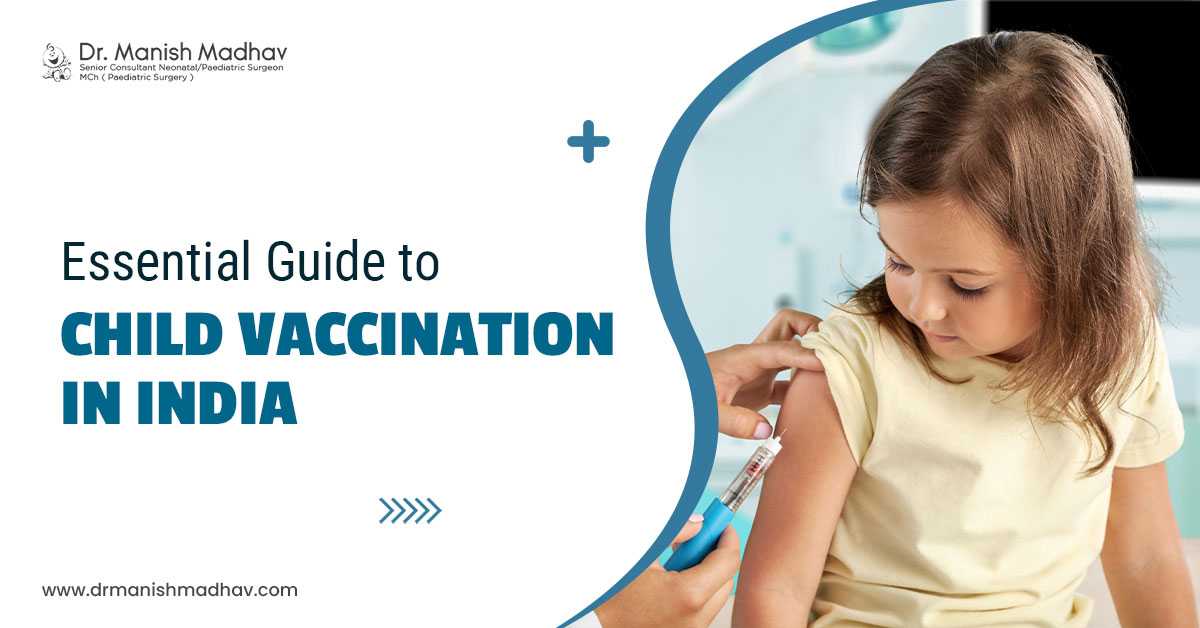

The fact is that one of the most crucial actions parents can do to safeguard their child's health is vaccination. These vaccinations have significantly reduced life-threatening illnesses, including polio, measles, diphtheria, and tetanus, in India.
However, a lot of parents still have doubts and worries regarding vaccinations. This includes when to administer them, their necessity, their safety, etc. Feel free to talk about these with your pediatrician, and you can see the leading pediatrician in Siliguri or near you.
The purpose of this guide to child vaccination in India is to make it easier for parents to comprehend the importance of vaccinations, the national immunization schedule, and how prompt vaccination guarantees a child's future health.
Overview of Child Vaccination
In easy terms, the procedure of immunizing newborns and young children against infectious diseases is known as child vaccination. Vaccines function by teaching the immune system to identify and combat dangerous microorganisms like viruses and bacteria.
A child who receives a vaccination gains immunity without actually experiencing the illness. Because of this, vaccination is a safe and efficient means of preventing diseases that used to result in high rates of child death.
Why Do Children Need to Get Vaccinated?
Vaccination helps safeguard the entire community, not just a single child. The following are some main justifications for why childhood immunization is crucial:
- Defense Against Serious Illnesses
Vaccines shield kids from illnesses that can lead to serious consequences or even death, such as whooping cough, polio, measles, hepatitis B, and tuberculosis.
- Develops Robust Immunity
When a child is young and most susceptible to diseases, vaccinations help bolster their immune system.
- Prevents Disease Spread
Herd immunity is created when the majority of children receive vaccinations. This stops the spread of illness and safeguards people who are medically unable to receive vaccinations.
- Reduces Healthcare Expenses and Lives
Vaccination-based illness prevention lowers hospital stays, medical costs, and long-term health issues.
.png)
India's National Immunization Schedule for Children
When each vaccination should be administered is specified in the National Immunization Schedule (NIS). Well, to make it easier for parents to grasp, a simplified version is provided below.
At Birth
- BCG: Prevents tuberculosis
- OPV-0: Oral Polio Vaccine
- Hepatitis B (Birth Dose): Prevents infection
6 Weeks
- The first dose of the pentavalent vaccine protects against hepatitis B, Hib, tetanus, pertussis, and diphtheria.
- OPV-1
- Rotavirus Immunization
- Inactivated Polio Vaccine, or IPV
10 Weeks
- Second dose of the pentavalent vaccine
- OPV-2
- Rotavirus Immunization
14 Weeks
- Third dose of the pentavalent vaccine
- OPV-3
- Rotavirus Immunization
- IPV (second dosage)
9–12 Months
- Measles-Rubella (MR) Vaccination
- JE vaccination (in endemic regions)
- First dosage of vitamin A
16–24 Months
- MR (2nd dose)
- DPT Booster-1
- OPV Booster
- JE (2nd dose)
- Vitamin A (2nd dose)
5–6 Years
- DPT Booster-2
- 10 and 16 Years
- Tetanus and diphtheria vaccine
Following this timetable guarantees total safety throughout a child's developmental years.
Private clinics offer certain extra vaccinations in addition to those that the government recommends. Among them are:
- Pneumococcal vaccination
- The influenza vaccination
- Vaccine against varicella (chickenpox)
- Hepatitis A vaccination
- Typhoid vaccination
- HPV vaccination (for teenagers)
Your pediatrician may suggest these, while they are not mandatory, depending on a child's health, surroundings, and risk factors.
Are Vaccines Safe for Kids?
Indeed, vaccines administered in India have undergone rigorous testing and are safe. To guarantee their efficacy and safety, they undergo several phases of clinical studies.
Typical Mild Adverse Reactions
- Low-grade fever
- Swelling or discomfort at the injection location
- Fatigue or irritability
These adverse effects are a typical indication that the body is developing immunity and often disappear in a day or two.
The advantages of vaccination greatly exceed the risks, and serious side effects are incredibly uncommon.
The Value of Early Vaccination
Children who postpone vaccinations may not be protected during crucial developmental phases. Timely vaccination is essential since many diseases have a more severe effect on newborns and young children.
- A vaccination card should be kept secure
- Set up dosage reminders
- If a dose is missing, speak with a pediatrician
There is typically no need to restart the entire schedule if a kid misses a vaccination; it can be administered at a later time.
The most crucial role in ensuring a successful vaccination is parents, and they can assist in the following ways:
- Keep up with the vaccination regimen
- Attend routine medical examinations
- Ask doctors questions and have your doubts cleared
- Urge other parents to have their kids vaccinated
Did you know that an entire community can be safeguarded by raising awareness and taking appropriate action? Yes, that’s the fact.
Government Programs Encouraging Immunization of Children
India has started several programs to increase vaccination rates:
- Children who have not received their regular vaccinations are the focus of Mission Indradhanush.
- High-risk locations are the focus of Intensified Mission Indradhanush (IMI).
- The Electronic Vaccine Intelligence Network, or eVIN, guarantees appropriate vaccine supply and storage.
- Every child, particularly those in impoverished and rural areas, is the target audience for these activities.
Every day, a child's immune system might deal with a variety of antigens. Fatalities, serious complications, or disability can result from a natural infection, and immunity is safely provided by vaccines.
In our country, child immunization is an effective strategy that has prevented millions of deaths. Child vaccinations continue to protect future generations and their well-being.
Parents may guarantee their children grow up healthy and free from avoidable diseases simply by following the national immunization schedule and remaining informed. Child specialists will guide you properly, and if you still have confusion, speak with one in your location.
We need to understand that child vaccines are necessary, safe, and effective. One of the most responsible and caring choices you can make as a parent is to vaccinate your child under medical supervision.
A skilled healthcare professional is your best guide for your child's immunization journey. There are myths about child vaccinations, whether in India, and these false beliefs increase the health risk. If you're ever unsure, feel free to talk to your pediatrician in Siliguri, such as Dr. Manish Madhav, or one near you.
