
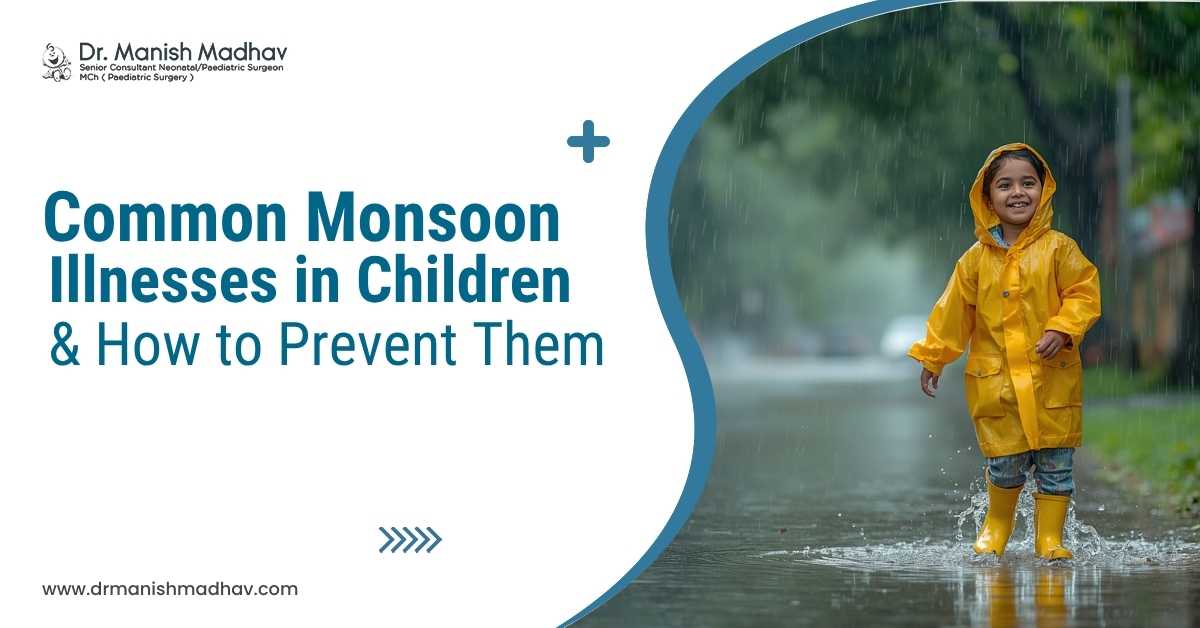

Certainly, the monsoon brings lower temperatures. But bacteria, viruses, and mosquitoes can thrive in environments with frequent rains, standing water, humidity, and contaminated food or water.
Because kids’ immune systems haven’t fully developed, children may be more susceptible to infections. In kids, fever, colds, coughs, stomach illnesses, dengue, malaria, and skin diseases are very common issues during the rainy season. It’s vital to speak with a trusted child doctor in Siliguri City or near you if you notice these symptoms in kids.
Why Do Children Get Sick More Often During the Monsoon?
Children may be more exposed to many sources of infection during the monsoon season. While stagnant water tends to harbour mosquitoes, high humidity is another concern, and high humidity may advance the growth of microorganisms.
Plus, our children may come into contact with polluted surfaces at playgrounds, schools, or other public locations. Germs can enter their bodies if they come into contact with these surfaces and then eat without cleaning their hands (very common among kids).
Respiratory infections can also result from temperature changes, exposure to rain, and inadequate indoor ventilation.
What are the Common Monsoon Illnesses in Children?
- Fever caused by viruses
We all know that one of the most common causes of fever in children is viral infections during the rainy season. In addition to fatigue, headache, body aches, sore throat, cough, or runny nose, a child may experience fever.
The majority of viral infections get better with enough rest, proper hydration, and medical attention, and parents should keep an eye on their child's temperature and symptoms.
Medical treatment should be sought right away if the temperature in your kid is persistent. Seek pediatric care for an extremely high fever that may be accompanied by unusual tiredness, breathing difficulties, frequent vomiting, or other worrisome symptoms.
- Respiratory infections, coughs, and colds
In rainy seasons, respiratory illnesses might become more common in kids due to weather changes and increased viral exposure. You may notice that children may have a moderate fever, sneezing, coughing, sore throats, and blocked or runny noses.
Children should be encouraged to wash their hands often and to stay away from sick individuals, like who already have a fever, cold, or cough. Reducing the transmission of illnesses may be possible by maintaining clean, well-ventilated interior areas.
You must know that during the monsoon, children with asthma or other respiratory issues could require additional care.
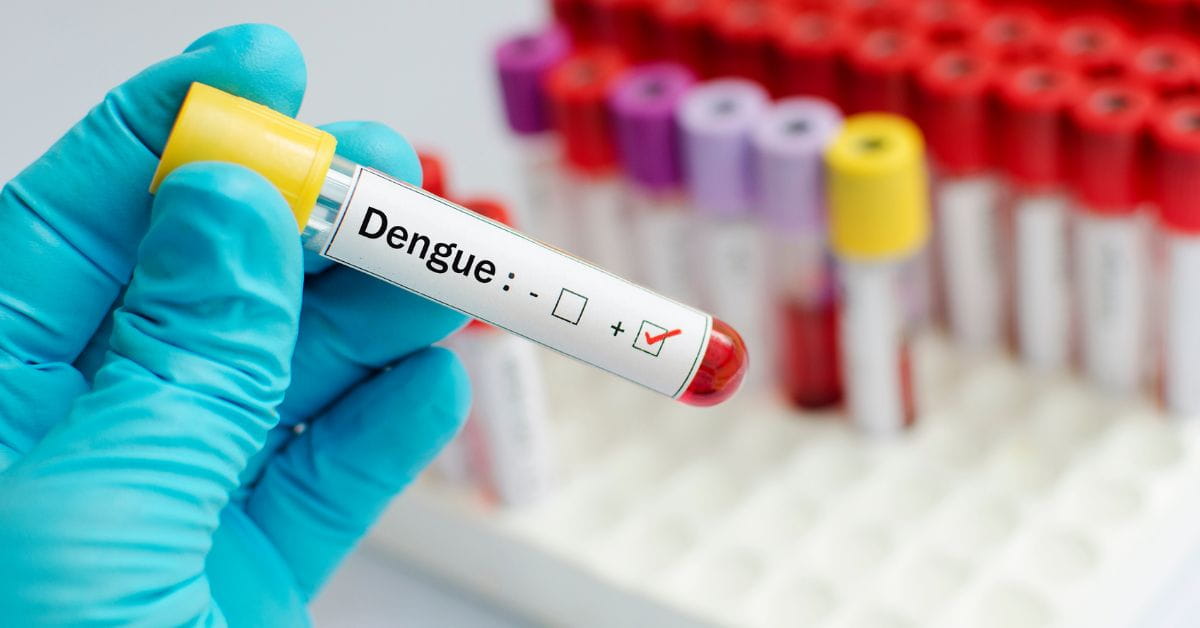
- Dengue
Dengue is a virus spread by mosquitoes that can cause major health problems. Still water near homes and neighborhoods can provide a breeding ground for dengue-carrying Aedes mosquitoes, and we must be cautious about that.
Suddenly high fever, excruciating headache, pain behind the eyes, joint and muscular pain, nausea, vomiting, and occasionally a skin rash are classic symptoms.
Unusual symptoms or an extremely high temperature should not be overlooked by parents. A child doctor in Siliguri or in your place should be consulted if your kid has suspected dengue.
If they have severe abdominal discomfort, bleeding, acute weakness, breathing difficulties, continuous vomiting, or unusual lethargy, ensure immediate consultation.
- Malaria
Another very common disease spread by mosquitoes is malaria (very prevalent during the rainy season). It results from parasites that are spread by infected mosquitoes.
Malaria in children can cause fever, chills, sweating, headaches, weakness, nausea, and vomiting. The condition may worsen in certain situations.
It's crucial to prevent mosquito bites. Instead of depending solely on home treatments or remedies, parents should see a pediatrician if their child has certain signs. This may include an unexplained fever, especially after being exposed to mosquitoes or in a place where malaria is common.
- Diarrhoea and stomach infections
Also, during the rainy season, contaminated food and water become a major concern, as they can raise the risk of stomach pain and infection. Also, it can cause vomiting, diarrhoea, and other gastrointestinal diseases.
Children can easily become dehydrated, especially if they experience vomiting and diarrhea at the same time. A dry mouth, decreased urine, extreme fatigue, sunken eyes, or increased thirst are classic symptoms of dehydration.
Safe drinking water, good food hygiene, and frequent hand washing should be the main priorities this time. See a doctor if your diarrhea is moderate to severe, bloody, persistent, or accompanied by frequent vomiting. If there are symptoms of dehydration, make sure a kid gets immediate care.
- Typhoid
It’s a bacterial infection, transmitted by tainted food or water. Long-term fever, weakness, headaches, stomach discomfort, appetite loss, or altered bowel habits are common signs of typhoid in children.
Food hygiene and proper sanitation are crucial for prevention. Please try to give your child freshly prepared food from trusted suppliers and drink safe water.
Another vital factor in preventing typhoid is vaccination; here, parents should talk to their child's doctor about suggested vaccines.
- Skin infections and fungal infections
You may notice your kid may sweat more and retain moisture on their skin longer during the warm, humid monsoon season. Here, fungal infections, rashes, itching, and other skin issues may become more likely as a result.
Their skin should be dry and clean, and changing out of wet clothing as soon as possible is a must. Please ensure your little ones are wearing breathable clothes as well as well-dried shoes.
A pediatric doctor should assess a rash if it spreads, gets painful, starts to discharge, or doesn't get better.
How to Prevent Monsoon Illnesses in Kids
A child's exposure to illnesses can be considerably reduced with a few routine behaviors.
- Promote Frequent Hand Washing
Before eating, after using the restroom, after playing outside, and after coming home from public places or school, teach your kids to wash their hands with soap and water.
- Provide Safe Food and Water
Give your kids safe, clean water to drink, and make sure to serve freshly prepared food and thoroughly wash fruits and vegetables.
- Prevent Mosquito Breeding
Avoid letting water gather in containers, coolers, plant pots, buckets, and other parts of your house or property. Be sure to cover containers used for storing water.
Additional protection is possible with window screens, suitable clothes, mosquito nets, and child-safe mosquito protection.
- Keep Children’s Clothes Dry
It is essential to change your child's clothes as soon as possible if they become soaked in the rain. Damp clothing and shoes can cause or worsen fungal infections and skin irritation.
- Keep Your Home Clean
Maintain cleanliness in kitchens, toilets, and areas that are touched regularly to keep your kid and yourself protected. Prevent moisture from accumulating indoors and make sure that rooms have enough airflow.
When Is It Time to See a Siliguri Pediatrician?
While supportive care can help many mild infections heal, professional examination is necessary for some symptoms/ in some cases. If a child has any of the following, parents should think about seeing a pediatric doctor in Siliguri or in their city without delay:
- High or persistent fever
- Breathing quickly or with difficulty
- Frequent vomiting
- Prolonged or severe diarrhea
- Dehydration symptoms
- Severe abdominal discomfort
- Unusual weakness, disorientation, or drowsiness
- Seizures
- A rash that is accompanied by fever or other alarming signs
- Any potential disease spread by mosquitoes
- Symptoms in kids that are getting worse rather than better
Timely medical evaluation may be necessary for infants, children with pre-existing medical issues, and kids who seem noticeably ill.
Besides this, parents should avoid administering antibiotics or other medications without first consulting a child doctor. See your pediatrician, ensure proper diagnosis, and give prescribed medications.
Final Words
No doubt, monsoon infections are common, but we can keep our kids safe with basic environmental and hygiene precautions. Protect your kids with safe food and water, frequent hand washing, mosquito control, clean surroundings, dry clothes, and prompt vaccinations.
Above all, parents and caregivers should be aware of any changes in their child's general health and behavior. In case a kid is abnormally weak, dehydrated, breathless, has a prolonged fever, or exhibits other warning signs, fast access to pediatric care is a must.
You might speak with one of the top child specialists, such as Dr. Manish Madhav.